
As I glanced into my fridge one evening, the familiar sight of vibrant vegetables and leftover protein sparked an idea that had my taste buds dancing. Enter the Rice Noodle Stir-Fry, a delightful fusion of tender noodles and crisp veggies that could whip up in mere minutes! This recipe is not just a quick dinner option; it’s a customizable canvas ready to be painted with your favorite flavors—be it tofu for a plant-based twist, succulent shrimp, or savory chicken. Packed with high protein and built for your hectic nights, this dish becomes your go-to comfort meal that won’t leave you feeling guilty. What favorite add-ins or substitutions will you bring to this stir-fry masterpiece?
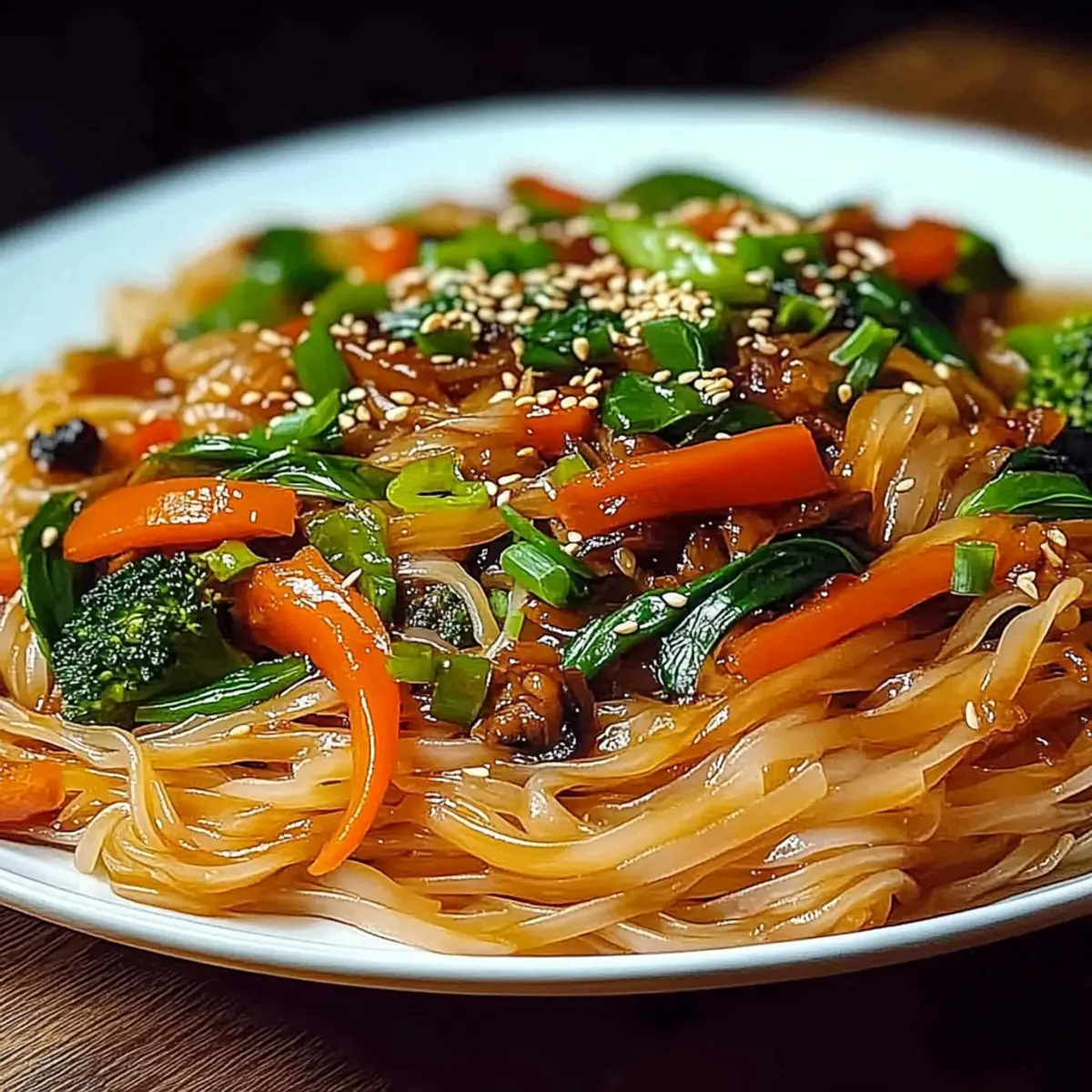
Why Is This Stir-Fry So Special?
Customizable to Perfection: This Rice Noodle Stir-Fry allows you to swap in your favorite vegetables and proteins, making it perfect for whatever you have on hand.
Quick and Easy: With just a few minutes of prep, you can create a wholesome meal that rivals takeout in flavor without the wait.
High in Protein: Featuring your choice of tofu, chicken, or shrimp, this dish packs a punch to keep you fueled and satisfied.
Colorful and Nutrient-Rich: Bright veggies like bell peppers and broccoli not only enhance the look but also boost nutritional value, making each bite delightful.
Meal Prep Friendly: Great for busy weeknights, you can easily whip this up in under 30 minutes, leaving you time to relax.
For more quick, delicious ideas, check out my Chicken Stir Fry or try pairing this with a delightful Spring Rolls for a complete meal experience!
Rice Noodle Stir-Fry Ingredients
For the Noodles
• 8 oz flat rice noodles – A must for the perfect chewy texture; alternatives like vermicelli can be used but may require different cooking times.
For the Vegetables
• 1 cup bell peppers – Choose any color you like; their natural sweetness adds depth to the dish.
• 1 cup broccoli florets – Fresh is preferred for optimal crunch; frozen works in a pinch.
• 1 cup carrots (sliced) – Diagonally sliced for even cooking and natural sweetness that complements the dish.
For the Protein
• 1 cup protein (tofu, chicken, or shrimp) – Offers a high protein boost; tofu is great for a vegetarian option, while chicken adds richness and shrimp cooks quickly.
For the Sauce
• 3 tablespoons low-sodium soy sauce – This ingredient adds essential umami flavor; substitute tamari for a gluten-free option.
• 2 tablespoons sesame oil – Opt for high-quality sesame oil to elevate the dish’s flavor profile.
• 1 tablespoon fresh ginger (grated) – Fresh ginger imparts a vibrant taste; avoid powdered for the best flavor.
For Cooking
• 2 tablespoons cooking oil (avocado or vegetable oil) – Necessary for stir-frying; select oils with a high smoke point for best results.
For Garnishing
• Sesame seeds (for garnish, optional) – These add a delightful crunch and some visual flair.
• Green onions (sliced, for garnish, optional) – Offers a burst of freshness and color to the finished dish.
Step‑by‑Step Instructions for Rice Noodle Stir-Fry
Step 1: Cook the Noodles
Begin by bringing a large pot of water to a rolling boil over high heat. Once boiling, add the 8 oz of flat rice noodles and cook for 4-6 minutes, stirring occasionally, until tender yet slightly chewy. When done, drain the noodles in a colander and rinse under cold water to stop the cooking process and prevent sticking.
Step 2: Prepare the Vegetables
While the noodles are cooking, take this time to prep your vegetables. Slice 1 cup of bell peppers into thin strips, cut 1 cup of broccoli florets into bite-sized pieces, and slice 1 cup of carrots diagonally for even cooking. Also, grate 1 tablespoon of fresh ginger and set aside any protein, whether it be tofu, chicken, or shrimp, ready for cooking.
Step 3: Cook the Protein
Heat a large skillet or wok over medium heat and add 1 tablespoon of cooking oil. Once the oil is shimmering, add your chosen protein—cooking for 5-6 minutes for tofu, 3-4 minutes for shrimp, or 7-8 minutes for chicken until it reaches an internal temperature of 165°F. Once cooked through, remove the protein from the pan and set it aside.
Step 4: Stir-Fry the Vegetables
Increase the skillet heat to medium-high and add another tablespoon of oil. Start with the sliced carrots, cooking for about 2 minutes until they begin to soften. Then, add in the broccoli, bell peppers, and grated ginger, stir-frying for an additional 3-5 minutes until the vegetables are vibrant in color and slightly charred, offering a delightful crunch.
Step 5: Combine Ingredients
With the vegetables cooked to perfection, return the protein to the skillet. Next, add the drained rice noodles along with 3 tablespoons of low-sodium soy sauce. Using tongs, toss everything together for about 2 minutes until well combined and heated through, adding a splash of noodle cooking water if it seems dry.
Step 6: Finish and Serve
Finally, drizzle 2 tablespoons of sesame oil over the stir-fry for an extra layer of flavor. Toss everything one last time to incorporate the oil. Serve immediately, optionally garnished with sesame seeds and sliced green onions for added freshness and crunch. Enjoy your vibrant rice noodle stir-fry!
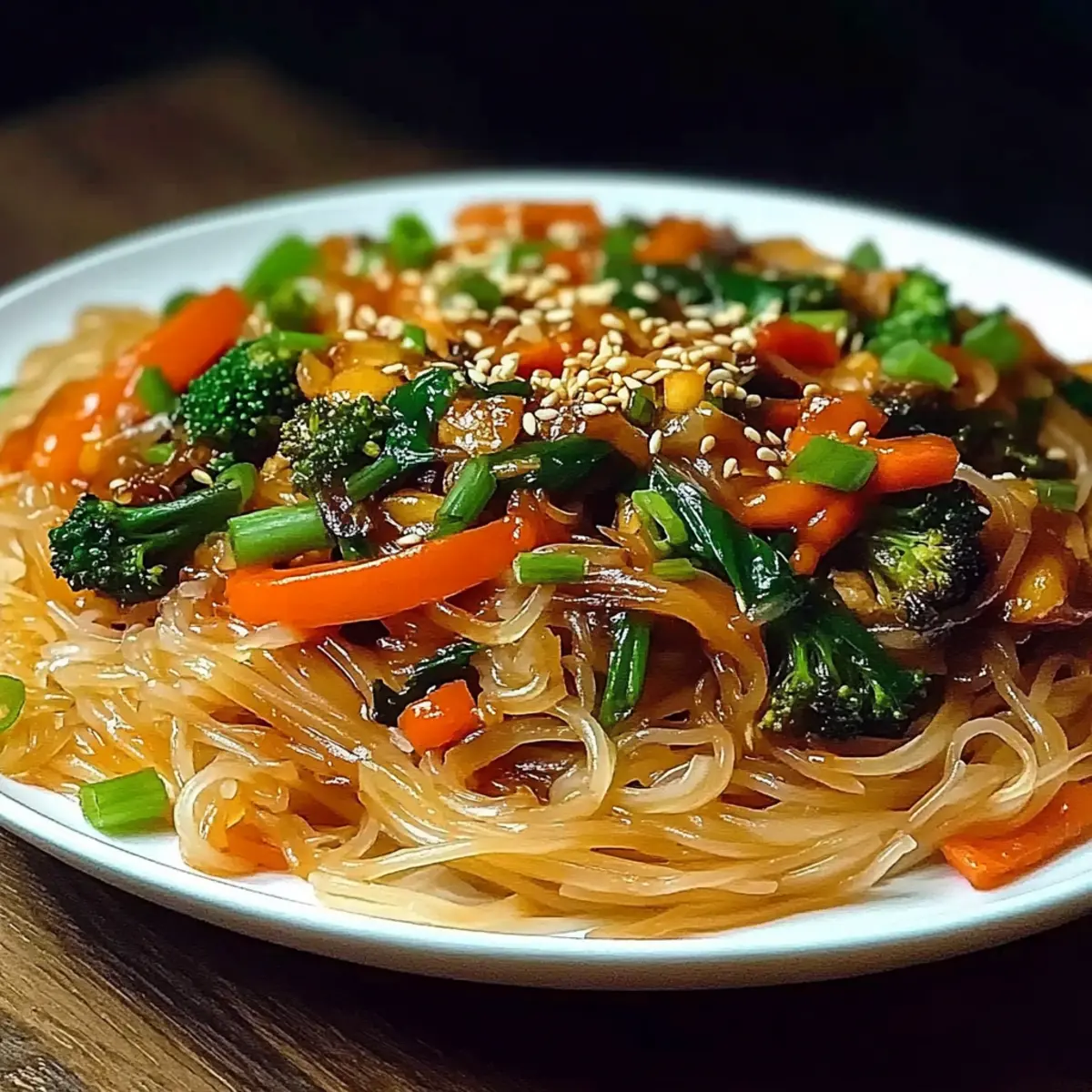
What to Serve with High-Protein Rice Noodle Stir-Fry?
Enhance your dining experience by pairing this satisfying stir-fry with delightful side dishes that balance flavors and textures perfectly.
- Spring Rolls: These light and crunchy rolls offer a refreshing contrast to the savory stir-fry, making your meal feel even more restaurant-worthy.
- Steamed Edamame: A bowl of steamed edamame brings a pop of protein and a satisfying bite, complementing your rice noodle dish beautifully.
- Crispy Bok Choy: Sautéed bok choy adds a slightly bitter green element that cuts through the richness of the sesame oil, providing a delightful balance.
- Coconut Rice: Sweet and fragrant, coconut rice can elevate your stir-fry experience with a creamy texture that pairs well with everything on your plate.
- Ginger Tea: A warm cup of ginger tea makes for a soothing drink that enhances digestion and complements the ginger flavor in your stir-fry.
- Fruit Salad: Fresh fruit adds a burst of sweetness and a refreshing edge; try a mix of mango, pineapple, and mint for a tropical touch.
- Cucumber Salad: A cool, tangy cucumber salad will cleanse your palate and bring a crisp crunch that beautifully contrasts the savory noodles.
Make Ahead Options
These Rice Noodle Stir-Fry components are perfect for meal prep, making it easier for you to enjoy a homemade dinner on busy nights! You can chop veggies like bell peppers, broccoli, and carrots up to 24 hours in advance; store them in an airtight container in the refrigerator to keep them fresh and crisp. Additionally, you can cook your choice of protein (tofu, chicken, or shrimp) and store it in the fridge for up to 3 days. When you’re ready to serve, simply reheat the protein, stir-fry the prepped vegetables, add the noodles, toss in the soy sauce, and finish with a drizzle of sesame oil. This way, you’ll enjoy a flavorful Rice Noodle Stir-Fry with minimal effort, all while saving precious time in your busy schedule!
Rice Noodle Stir-Fry: Variations & Substitutions
Feel free to play around with this Rice Noodle Stir-Fry to make it your own masterpiece bursting with flavors and textures!
-
Vegetable Swap: Replace bell peppers, broccoli, and carrots with zucchini, snap peas, or mushrooms for a fresh twist. The beauty of this stir-fry is that it’s a playground for your favorite veggies.
-
Protein Pick: Switch out the protein for your favorite option, like diced beef or tempeh, to cater to different diets. Just remember, each choice brings a different flavor profile to explore.
-
Gluten-Free: Use rice noodles alongside tamari instead of soy sauce for a gluten-free version without sacrificing flavor. Don’t hesitate to experiment with different condiments to make this dish sing for your dietary needs!
-
Spicy Kick: Want some heat? Spruce it up with chili flakes or sriracha. A hint of spice not only adds excitement but amplifies the overall taste experience.
-
Citrus Twist: Add a splash of lime juice right before serving for a zesty finish. The freshness of citrus really elevates the flavor, making it ever so delightful.
-
Nutty Flavor: Toss in some chopped peanuts or cashews for added crunch and a nutty essence. This twist will delight anyone who enjoys that lovely contrast in texture.
-
Herbs Addition: Try incorporating fresh herbs such as cilantro or basil after cooking. They provide a burst of herbal freshness that brightens the dish beautifully.
-
Add More Veggies: Sneak in spinach or bok choy just moments before serving for an extra nutrient boost. Keeping them slightly crisp adds a refreshing texture and visual appeal.
For more delicious combinations, perhaps pairing this swirl of flavors with a tasty Chicken Stir Fry would make for an inspiring family dinner idea!
Expert Tips for Rice Noodle Stir-Fry
-
Prep First: Have all ingredients chopped and ready to go before cooking. This ensures smooth execution and prevents overcooking any ingredients during your stir-fry.
-
Heat Matters: Use medium-high heat for the perfect stir-fry. This will help achieve the ideal crispy texture, so avoid cooking on too low a setting.
-
Don’t Overcook: Be mindful not to overcook the vegetables. They should remain bright and slightly crisp to enjoy the full flavor and texture in your rice noodle stir-fry.
-
Customize Wisely: Swap proteins and veggies based on your preferences, but remember that denser veggies like carrots might need a little longer to cook than softer ones like bell peppers.
-
Store Properly: If you have leftovers, keep them in an airtight container for up to 3 days. For the best taste, reheat gently and add a splash of water to prevent drying out.
How to Store and Freeze Rice Noodle Stir-Fry
Fridge: Store leftovers in an airtight container for up to 3 days. Make sure to separate extra soy sauce or sesame oil to maintain the texture and prevent sogginess.
Freezer: For longer storage, freeze the stir-fry in an airtight container for up to 2 months. Portion it out for easy defrosting and reheating.
Reheating: When reheating, add 1-2 tablespoons of water to the pan or microwave to prevent the noodles from drying out. Heat on medium until thoroughly warmed, stirring occasionally.
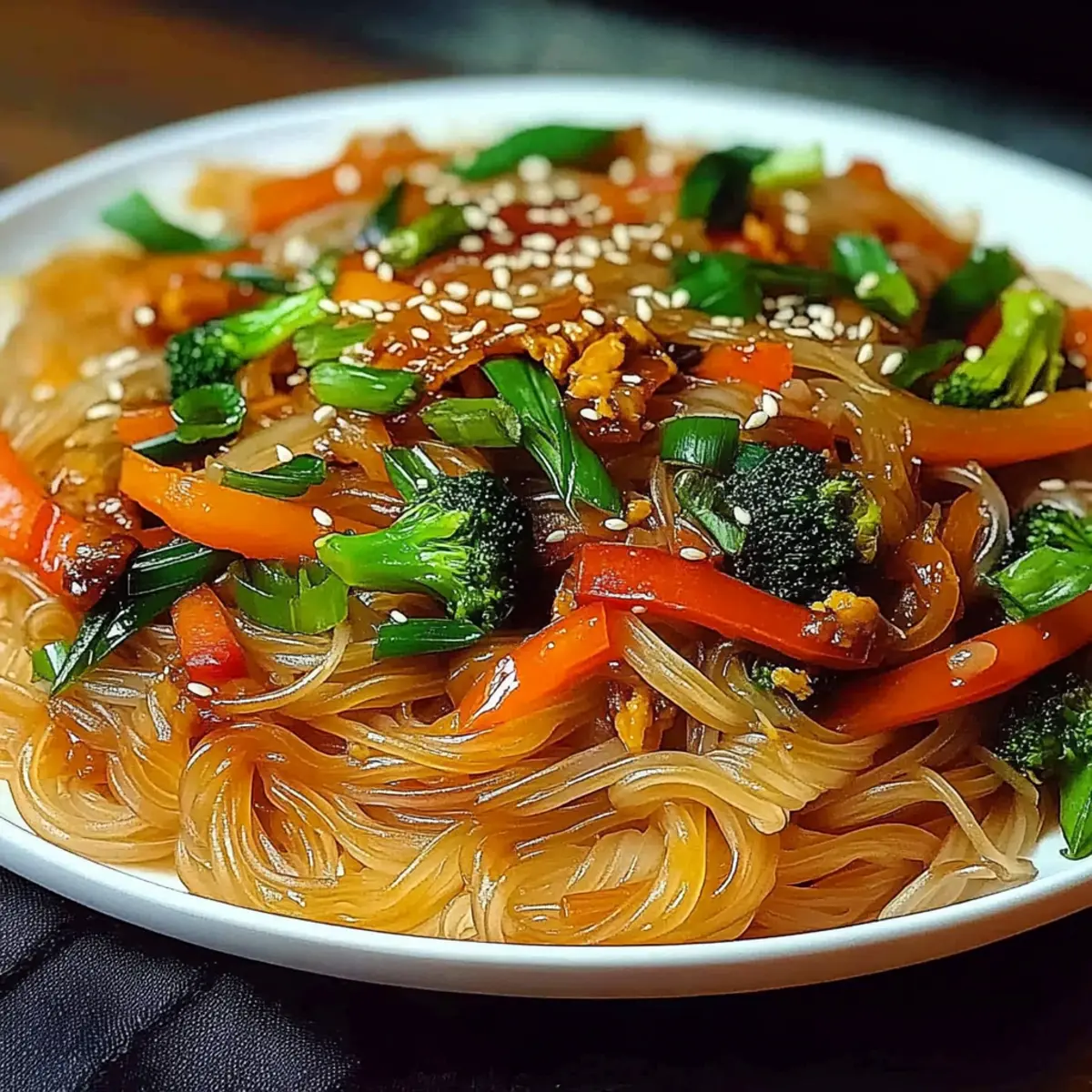
Rice Noodle Stir-Fry Recipe FAQs
How do I choose the right rice noodles?
Absolutely! For the best texture, opt for flat rice noodles which provide that perfect chewy consistency. If you can’t find them, vermicelli noodles are a valid alternative, but be aware that they may require different cooking times (typically around 3-5 minutes). Always check the packaging for specific instructions!
How do I store leftovers from my Rice Noodle Stir-Fry?
Very simple! Store your leftovers in an airtight container in the fridge for up to 3 days. To keep the noodles from becoming soggy, it’s best to separate any extra soy sauce or sesame oil until you’re ready to enjoy your stir-fry again.
Can I freeze Rice Noodle Stir-Fry?
Absolutely! For longer storage, you can freeze your stir-fry in an airtight container for up to 2 months. To do this, make sure the dish is completely cooled down before sealing it. When ready to eat, simply thaw it overnight in the refrigerator and reheat it on the stove over medium heat, adding a splash of water to maintain moisture.
What if my vegetables become overcooked?
Very important! If your vegetables turn out overcooked, it’s often a sign that the heat was too low or the cooking time was too long. Ideally, you want vibrant, slightly crisp vegetables as they add not just flavor but also nutritional value. For next time, use medium-high heat to ensure they stay bright and crunchy!
Are there any dietary considerations for my stir-fry?
Definitely! If you’re accommodating dietary restrictions, ensure to choose gluten-free soy sauce like tamari for a gluten-free stir-fry. Additionally, if you have any allergies, be cautious about the proteins you select; stick to plant-based options or substitute with poultry or seafood as per your health needs while keeping the flavor intact.
How long should I cook the protein in my stir-fry?
Very easy to determine! Cooking times vary based on the protein:
- Tofu: cook for about 5-6 minutes until golden.
- Shrimp: approximately 3-4 minutes or until they turn pink.
- Chicken: around 7-8 minutes until it reaches an internal temperature of 165°F. Remember to cut them into evenly sized pieces to ensure they cook through at the same rate!
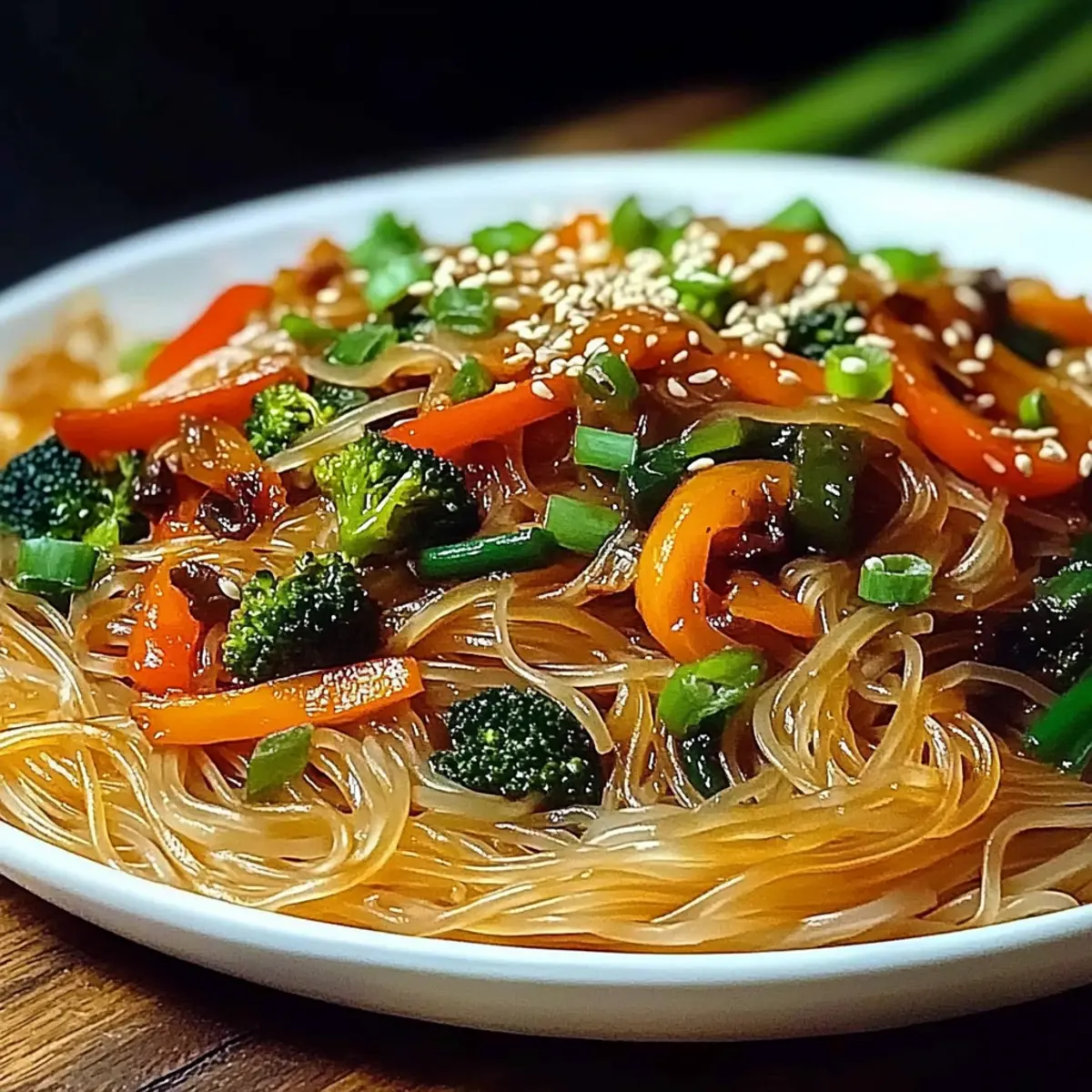
Savory Rice Noodle Stir-Fry: A High-Protein Delight
Ingredients
Equipment
Method
- Begin by bringing a large pot of water to a rolling boil over high heat. Once boiling, add the flat rice noodles and cook for 4-6 minutes, stirring occasionally, until tender yet slightly chewy. Drain and rinse under cold water to stop the cooking process.
- While the noodles are cooking, prep your vegetables: slice bell peppers, cut broccoli florets into bite-sized pieces, and slice carrots diagonally. Grate fresh ginger and prepare your chosen protein.
- Heat a large skillet or wok over medium heat and add 1 tablespoon of cooking oil. Once shimmering, add your protein, cooking for the appropriate time until it reaches an internal temperature of 165°F. Remove from the pan and set aside.
- Increase the skillet heat to medium-high and add another tablespoon of oil. Start with the sliced carrots, cooking for about 2 minutes. Then, add in broccoli, bell peppers, and grated ginger. Stir-fry for an additional 3-5 minutes until vibrant in color.
- Return the protein to the skillet, add the drained rice noodles along with soy sauce, and toss everything together for about 2 minutes until well combined.
- Drizzle sesame oil over the stir-fry, toss one last time, and serve immediately, optionally garnished with sesame seeds and sliced green onions.
Leave a Reply