
As I stirred the steaming bowl of Korean Egg Rice (Gyeran Bap), memories of cozy mornings flooded my mind, the scent of sesame oil wafting through the air. This dish, a simple yet heartwarming blend of fluffy rice and creamy scrambled eggs, is my go-to for those busy weeknights when I crave comfort but lack the time to fuss. The beauty of Gyeran Bap lies in its adaptability; you can throw in whatever toppings you have on hand, making it a quick, customizable, and oh-so-satisfying meal. Not only does it keep you full, but it also delivers a wave of nostalgia with every bite. Ready to elevate your weeknight dinner? Let’s dive into this delightful recipe that will make your taste buds sing!
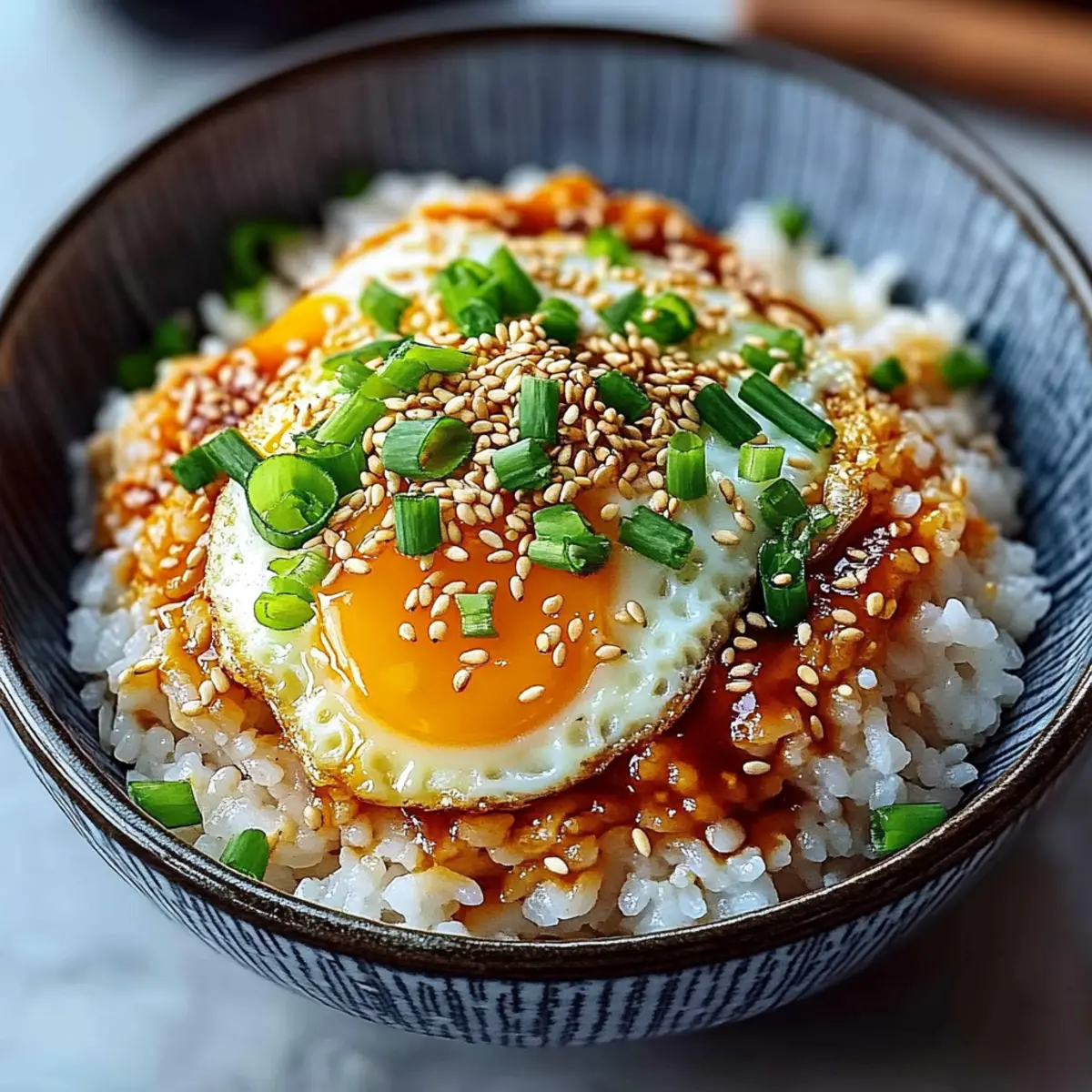
Why is Korean Egg Rice a must-try?
Comforting, this dish wraps you in warmth with its fluffy rice and creamy eggs, perfect for unwinding after a long day. Customizable, add your favorite toppings like kimchi or roasted seaweed for an extra layer of flavor. Quick prep time means you can whip this up in under 30 minutes, ideal for busy weeknights. Nostalgic flavors will transport you back to cozy family meals, while its satisfying nature makes it a crowd-pleaser for everyone. Pair it with a refreshing cucumber salad or try it alongside Korean Ground Beef for a delightful fusion!
Korean Egg Rice Ingredients
• Discover the ingredients for this comforting dish!
For the Rice
- Cooked short-grain rice – Base of the dish; provides texture and heartiness. Use day-old rice for optimal texture.
- Sesame oil – Adds a nutty flavor and aroma. Can substitute with vegetable oil if necessary.
- Salt – Enhances overall flavor.
For the Eggs
- Eggs – Provide creaminess and protein; essential for the dish.
- Milk or water – Helps create fluffy scrambled eggs. Water can enhance fluffiness.
- Black pepper – Adds a hint of spiciness to the eggs.
- Vegetable oil – Used for cooking the eggs to prevent sticking.
- Ground white pepper (optional) – Adds a subtle warmth. Black pepper can be used as a substitute.
For the Sauce
- Soy sauce – Adds umami flavor.
- Rice vinegar – Balances flavors with acidity.
- Sugar – Balances the savory notes in the sauce.
- Gochugaru – Korean chili flakes for heat; adjust to taste for desired spiciness.
- Minced garlic – Provides depth of flavor.
- Sesame seeds – For garnish and crunch.
For Serving
- Kimchi – Adds tanginess and spice; traditional Korean side dish.
- Roasted seaweed flakes (gim) – For added texture and umami.
- Green onions – For freshness and garnish.
- Fried egg (optional) – For an extra layer of richness.
- Spicy mayonnaise (gochujang mayo) – Adds creaminess and heat.
This delightful blend of ingredients will create the perfect Korean Egg Rice, capturing the essence of comfort food in every warm bite.
Step‑by‑Step Instructions for Korean Egg Rice
Step 1: Prepare the Rice
Start by fluffing your cooked short-grain rice in a large bowl. Drizzle in a tablespoon of sesame oil and sprinkle with salt and optional ground white pepper. Mix thoroughly until the rice is well-coated, then cover it to keep it warm while you prepare the eggs.
Step 2: Make the Egg Mixture
In a mixing bowl, crack open the eggs and add a splash of milk or water, along with a pinch of salt and black pepper. Whisk the mixture vigorously until it becomes frothy, ensuring the eggs are well combined and ready for cooking.
Step 3: Cook the Eggs
Heat a non-stick skillet over medium heat and pour in a small amount of vegetable oil, swirling to coat the bottom. Pour the egg mixture into the skillet, gently stirring and scrambling with a spatula for about 2-3 minutes, until the eggs are mostly set but still slightly moist for that creamy texture.
Step 4: Remove from Heat
Once the eggs are cooked to your liking, remove the skillet from the heat. Using the spatula, break the scrambled eggs into bite-sized pieces, letting them sit for a moment to cool slightly while you prepare the sauce.
Step 5: Prepare the Sauce
In a small bowl, whisk together soy sauce, a drizzle of sesame oil, rice vinegar, sugar, gochugaru, minced garlic, and sesame seeds until well combined. Taste and adjust the seasoning as needed; this sauce will add a rich umami flavor to your Korean Egg Rice.
Step 6: Assemble
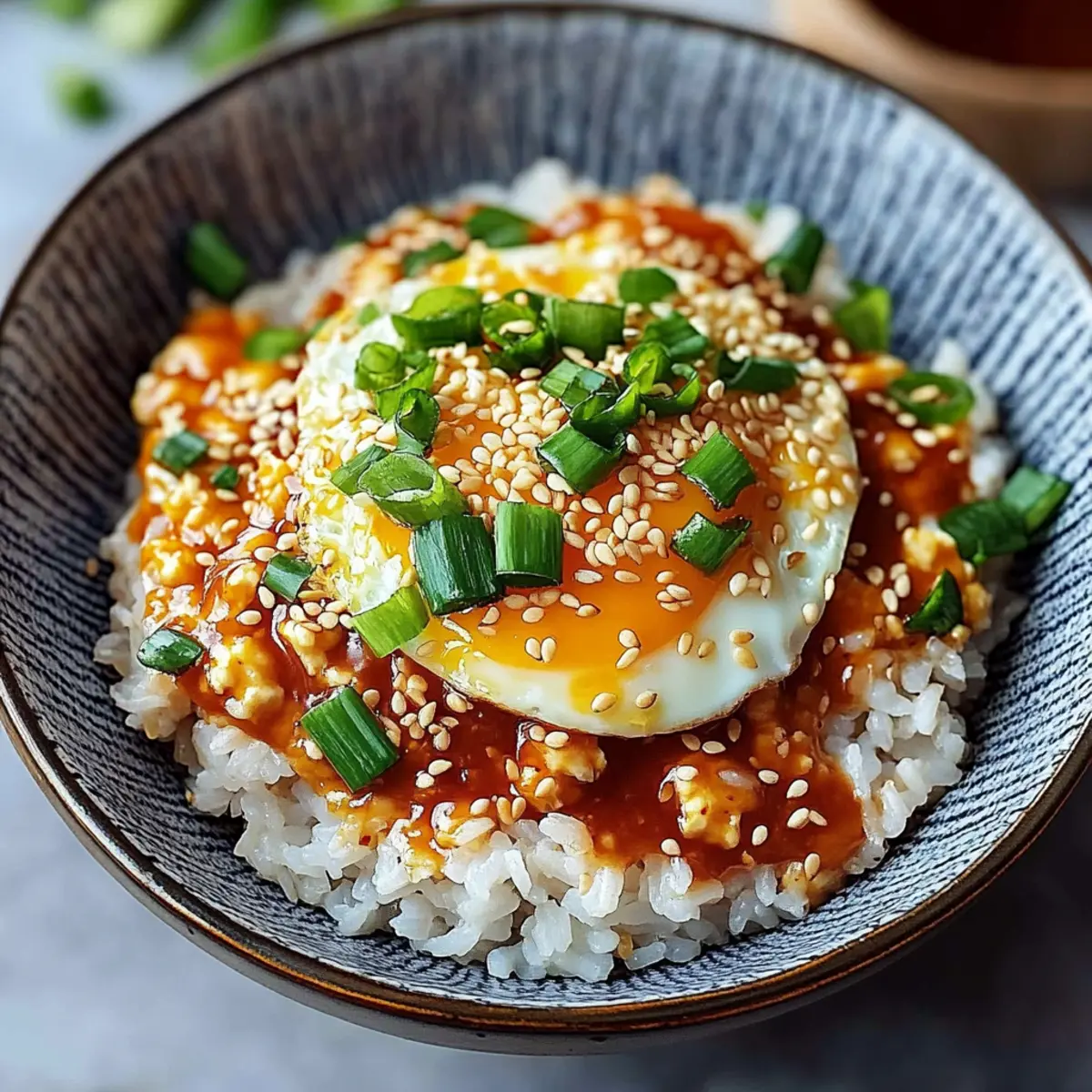
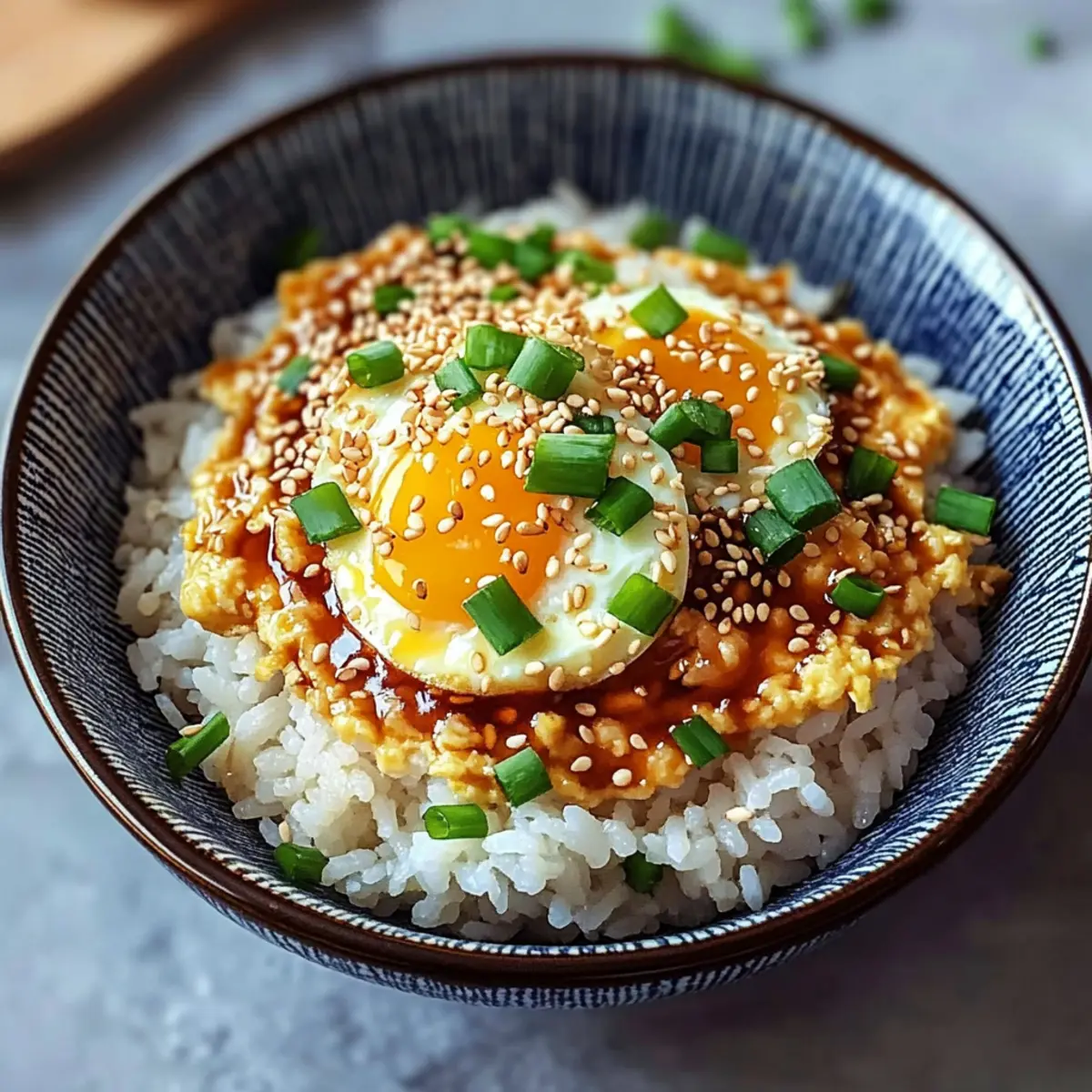
Fill serving bowls with the warm, prepared rice, then generously spoon the scrambled eggs on top. Drizzle the flavorful sauce over the eggs and rice, letting it soak in a bit. Remember, this Korean Egg Rice is customizable, so feel free to add your favorite toppings.
Step 7: Serve
Serve your delicious Korean Egg Rice warm, garnished with fresh green onions, a side of spicy kimchi, and roasted seaweed flakes for added crunch and flavor. Savor each comforting bite of this delightful dish!
Make Ahead Options
Korean Egg Rice (Gyeran Bap) is perfect for meal prep, allowing you to enjoy a comforting dish even on the busiest weeknights! You can prepare the cooked short-grain rice and the sauce up to 24 hours ahead; store them in the refrigerator in airtight containers. For the eggs, you can whisk the egg mixture (without cooking) and keep it covered in the fridge overnight. When you’re ready to enjoy your Korean Egg Rice, simply reheat the rice in the microwave, scramble the eggs in a pan for a few minutes, and assemble everything together. This way, you’ll have a delicious, homemade meal ready in no time!
What to Serve with Quick and Delicious Korean Egg Rice?
The ultimate comfort meal deserves delightful companions that enhance its flavors and textures.
- Spicy Kimchi: The tangy, spicy crunch of kimchi provides a delightful contrast, making every bite of the egg rice even more exciting.
- Cucumber Salad: Refreshing and crisp, this salad cleanses the palate while the coolness balances the warm, savory rice.
- Steamed Broccoli: A simple side that adds freshness and a satisfying crunch, bringing color and nutrition to your plate.
- Roasted Seaweed Flakes: These add a tasty umami flavor and a delightful crunch, elevating the overall dining experience.
- Fried Egg: An extra layer of richness that perfectly complements the creamy scrambled eggs already in the dish.
- Korean Ground Beef: For a heartier option, this savory, umami-rich dish pairs beautifully, creating a filling feast.
- Sesame Spinach Salad: A lightly dressed side that enhances the dish’s Asian flavors, adding nutrients and vibrancy.
- Miso Soup: Warm and soothing, this broth serves as a comforting beginning to a satisfying meal, a perfect Korean tradition.
- Iced Green Tea: Refreshing and slightly grassy, this beverage cleanses the palate and pairs beautifully with Korean cuisine.
Expert Tips for Korean Egg Rice
-
Use Day-Old Rice: Day-old rice is less sticky and provides the best texture for your Korean Egg Rice, ensuring fluffy grains that don’t clump together.
-
Cook Eggs Gently: Scramble the eggs gently over low-medium heat to keep them creamy. Avoid overcooking them, as this can lead to a dry texture.
-
Customize Your Sauce: Don’t hesitate to taste and tweak the sauce to your preference. Adjust the gochugaru for desired heat and balance out any flavors as needed.
-
Add Fun Toppings: Experiment with different toppings like sautéed mushrooms, spinach, or even leftover protein for added flavor and nutritional value in your Korean Egg Rice.
-
Reheat with Care: If you have leftovers, reheat gently on the stovetop or in the microwave. Adding a splash of water can help restore the creamy texture of the eggs.
Korean Egg Rice Variations & Substitutions
Ready to make your Korean Egg Rice uniquely yours? Here are some delightful ways to personalize this comforting dish and make it truly special!
- Protein Boost: Add bulgogi, shredded chicken, or even tofu for extra sustenance and flavor.
- Veggie Delight: Incorporate sautéed mushrooms or fresh spinach for a nutritious twist that also brightens the dish.
- Grain Swap: Try brown rice or quinoa instead of short-grain rice for a healthier alternative.
- Creamy Twist: Mix in a splash of heavy cream or Greek yogurt when preparing eggs for a luxurious richness.
- Heat Adjustment: Customize the spice level by adjusting gochugaru; use a pinch for mild or a hearty dash for fiery flavor.
- Flavor Elevation: Add chopped fresh herbs like cilantro or basil to garnish for an aromatic lift.
- Korean Touch: Serve with a side of kimchi to enhance the tanginess and crunch, creating a great contrast.
- Garnish Fun: Top with a drizzle of spicy mayonnaise (gochujang mayo) for an irresistible creamy heat that complements each morsel.
Feel free to explore these variations as you embark on your culinary adventure with Korean Egg Rice!
How to Store and Freeze Korean Egg Rice
Fridge: Store leftovers in an airtight container for up to 2 days. Gently reheat in the microwave or on the stovetop to avoid overcooking the eggs.
Freezer: While not ideal, you can freeze cooked Korean Egg Rice for up to 1 month. Separate the eggs from the rice and freeze in airtight containers or bags for better texture upon thawing.
Reheating: When ready to enjoy, thaw overnight in the fridge, then reheat on low heat, adding a splash of water to maintain moisture and creaminess.
Airtight Containers: Ensure all components are stored separately in airtight containers to preserve freshness and prevent freezer burn on your Korean Egg Rice.
Korean Egg Rice (Gyeran Bap) Recipe FAQs
What type of rice is best for Korean Egg Rice?
Absolutely! For the best texture, I recommend using short-grain rice, as it becomes wonderfully sticky when cooked. Day-old rice is ideal since it’s less clumpy and achieves the perfect fluffiness for this comforting dish.
How long can I store Korean Egg Rice in the fridge?
You can store leftovers in an airtight container for up to 2 days. Just remember to reheat gently to avoid overcooking the scrambled eggs. A quick microwave or a low stovetop heat works wonders!
Can I freeze Korean Egg Rice?
Yes! While it’s best enjoyed fresh, you can freeze cooked Korean Egg Rice for up to 1 month. It’s wise to separate the eggs from the rice before freezing to maintain their textures. Store them in airtight containers or freezer bags to prevent freezer burn.
What if my eggs become dry when cooking?
Very good question! If your eggs turn out dry, it’s usually because they were overcooked. To avoid this, cook them gently over medium heat and remove them from the skillet while they’re still slightly moist. Remember, they’ll continue to cook a bit even after removing from the heat.
Are there any dietary considerations with Korean Egg Rice?
Certainly! This dish is quite versatile. If you or a loved one is allergic to eggs, you could consider using tofu for protein instead. Additionally, you can adjust the spice level by using less gochugaru or substituting it with a milder chili powder for those sensitive to heat. Always ensure your ingredients are suitable for any dietary restrictions you may have!
What toppings can I add to my Korean Egg Rice?
The more, the merrier! You can customize your Gyeran Bap with toppings such as sautéed vegetables like mushrooms or spinach, bulgogi (marinated beef), or even a simple fried egg on top for extra richness. Kimchi is a fantastic addition too, lending tanginess and authentic flavor!
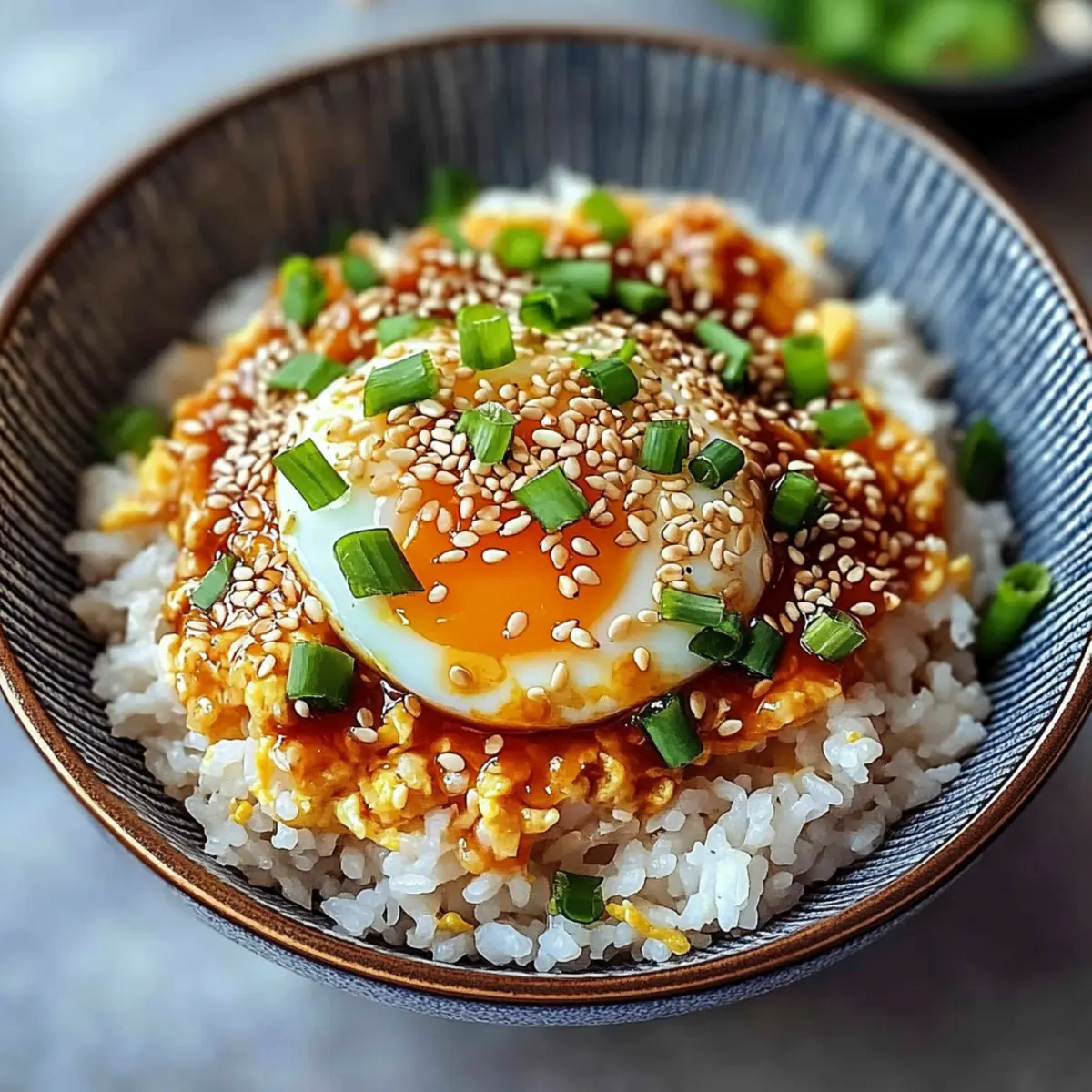
Comforting Korean Egg Rice Recipe for Busy Weeknights
Ingredients
Equipment
Method
- Fluff cooked short-grain rice in a large bowl. Drizzle sesame oil and sprinkle with salt and optional ground white pepper. Mix thoroughly and cover to keep warm.
- In a mixing bowl, crack open the eggs and add milk or water, salt, and black pepper. Whisk vigorously until frothy.
- Heat a non-stick skillet over medium heat. Add vegetable oil and pour in the egg mixture. Gently stir and scramble for about 2-3 minutes.
- Remove from heat, break scrambled eggs into bite-sized pieces, and let cool slightly.
- In a small bowl, whisk together soy sauce, sesame oil, rice vinegar, sugar, gochugaru, minced garlic, and sesame seeds. Adjust seasoning as needed.
- Fill serving bowls with warm rice, top with scrambled eggs, and drizzle sauce over. Add any favorite toppings.
- Serve warm with green onions, kimchi, and roasted seaweed flakes.
Leave a Reply