
The moment I take that first bite of Chinese Coconut Shrimp, I’m instantly transported to that bustling buffet where every dish tempts you to come back for more. This delightful recipe captures the creamy sweetness and crunchy texture I’ve always craved, mastering the art of bringing a restaurant favorite right into my kitchen. Perfect for whipping up a quick weeknight dinner or impressing guests at your next gathering, these shrimp are sure to become a household star. With just a few simple ingredients and an easy process, you’re on your way to creating a lush, flavorful experience that’s not only satisfying but also feels effortless. Are you ready to dive into this sweet, creamy delight?
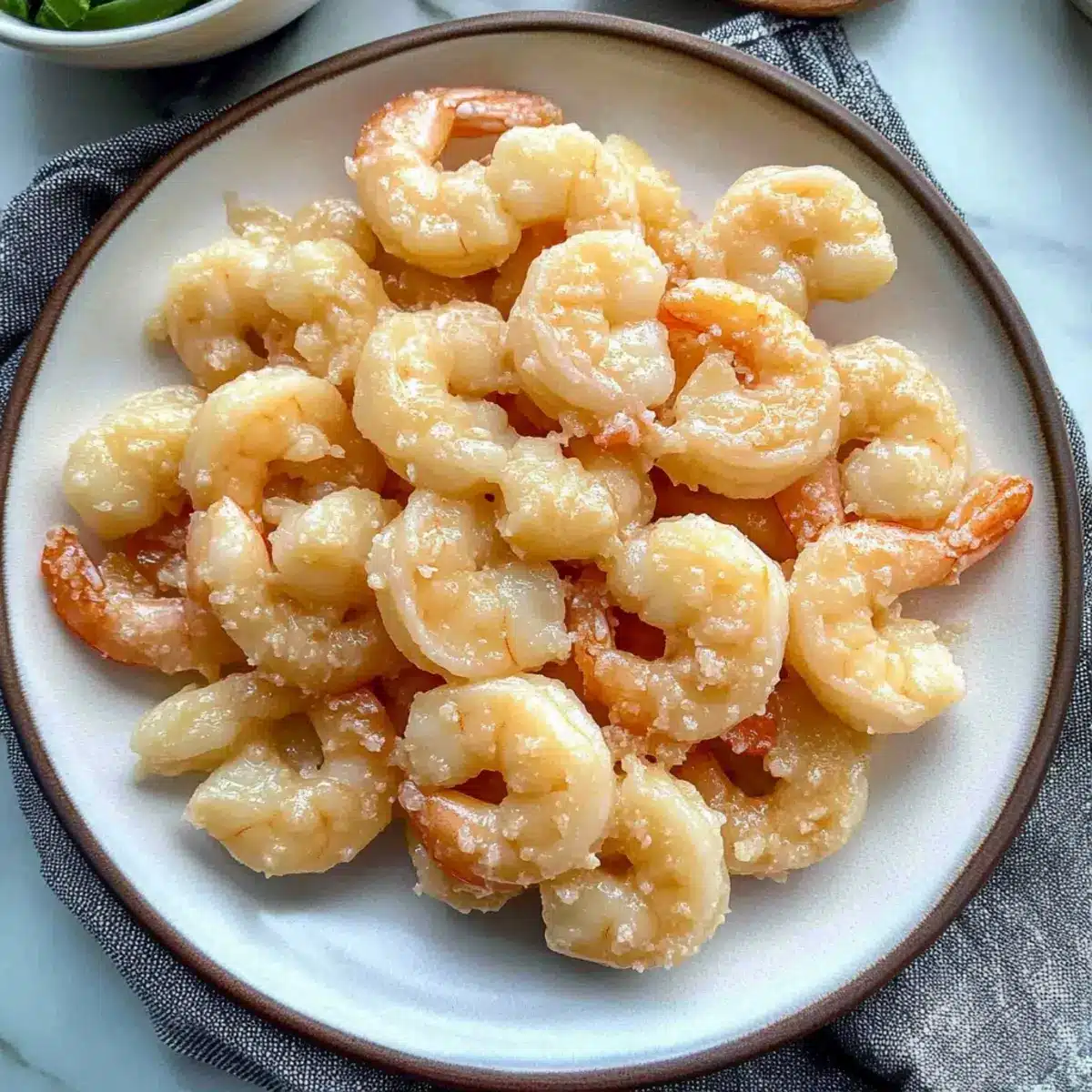
Why is this Coconut Shrimp a Must-Try?
Bold Flavors: The perfect balance of sweetness and creaminess gives this dish a flavor profile that’ll have your taste buds dancing!
Quick and Easy: With an uncomplicated cooking method, you can whip up this delightful Chinese Coconut Shrimp in under an hour, making it perfect for busy weeknights.
Crowd-Pleasing Appeal: Everyone will love this dish! It’s a guaranteed hit at dinner parties, alongside options like Hawaiian Pineapple Coconut and Crab Shrimp Stuffed, ensuring there’s something for every palate.
Versatile Dish: Feel free to play around with ingredients—try using chicken or tofu instead of shrimp for a unique twist, or add some chili for an extra kick.
Homemade Touch: Nothing beats the taste of homemade over takeout! Experience the freshness and quality that comes with preparing this buffet-style favorite right in your kitchen.
Chinese Coconut Shrimp Ingredients
• A luscious and creamy dish that brings the buffet experience home!
For the Shrimp Marinade
- Shrimp – Peeled and deveined for tenderness and ease of cooking.
- Egg White – Acts as a binding agent for the marinade, ensuring the breading adheres perfectly.
- Water or Chinese Rice Wine – Adds moisture to the shrimp marinade for enhanced flavor.
- Coarse Kosher Salt – Enhances flavor; substitute with fine sea salt if needed.
For the Coconut Sauce
- Coconut Milk – Creates the creamy base for the sauce; full-fat is best for richness.
- Sugar – Adds sweetness to balance flavors; can be swapped with a sugar alternative if desired.
- Mayonnaise – Contributes creaminess without overpowering the sauce’s flavor.
- White Vinegar – Provides acidity to balance the sauce’s sweetness.
- Cornstarch – Thickens the sauce while also contributing to crispy breading during frying.
For Frying
- Neutral Oil – Use vegetable or canola oil for frying to achieve that perfect crisp.
- Cornstarch (for breading) – Ensures maximum crispness of your delicious shrimp.
- Baking Powder – Lightens the breading for an airy texture when fried.
For Flavor
- Ginger – Fresh grated or minced is best for adding a warm, spicy note.
Step‑by‑Step Instructions for Chinese Coconut Shrimp
Step 1: Marinate Shrimp
In a medium bowl, combine the peeled and deveined shrimp, egg white, water or Chinese rice wine, and coarse kosher salt. Mix thoroughly and allow the shrimp to marinate for 10 minutes to 4 hours depending on your time availability. The longer the shrimp sit, the more flavorful they become, enhancing the overall taste of your Chinese Coconut Shrimp.
Step 2: Prepare Sauce
In a small bowl, whisk together coconut milk, sugar, mayonnaise, white vinegar, cornstarch, and a pinch of salt to create a smooth sauce mixture. Set aside while you sauté fresh ginger in a skillet over medium heat until fragrant, about 1-2 minutes. Then, pour in the sauce mixture, cooking for 3-5 minutes until bubbling and thickened, stirring occasionally.
Step 3: Bread Shrimp
Combine cornstarch and baking powder in a shallow dish, then add about ¼ cup of this mixture to the shrimp marinade to enhance the coating. Dredge each marinated shrimp in the cornstarch mixture, ensuring they are fully coated for maximum crispness, then lay them out on a baking sheet while you prepare for frying.
Step 4: Fry Shrimp
Heat vegetable or canola oil in a deep skillet over medium-high heat until it reaches 350°F. Carefully add the breaded shrimp in small batches to the hot oil, frying for 1-2 minutes or until they turn golden brown. Use a slotted spoon to remove the shrimp and place them on a wire rack to drain excess oil while continuing to fry the remaining shrimp.
Step 5: Combine
Once all the shrimp are fried, reheat the coconut sauce in the skillet until warm. Gently add the crispy shrimp to the sauce, tossing to coat every piece evenly in that luscious, creamy mixture. This final step brings together the delightful Chinese Coconut Shrimp, ensuring they are bursting with sweet and creamy flavor. Serve immediately and enjoy!
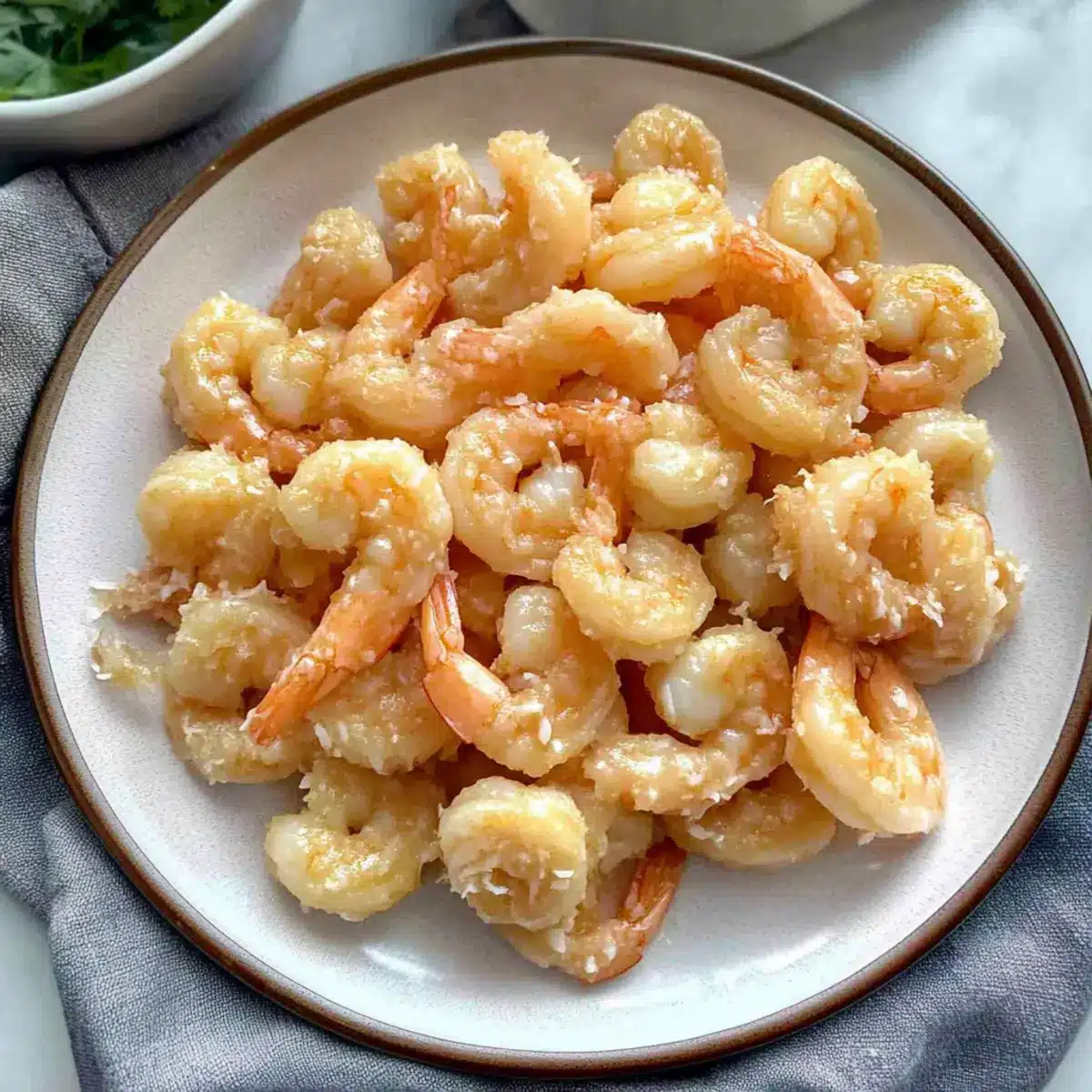
Chinese Coconut Shrimp: Recipe Variations and Substitutions
Feel free to make this recipe your own with these delightful twists and adjustments!
-
Dairy-Free: Use coconut yogurt instead of mayonnaise in the sauce for a creamy, plant-based option.
The coconut yogurt will still provide that luscious texture while keeping things fully dairy-free. -
Spicy Kick: Add sriracha or chili flakes to the coconut sauce for a zesty heat.
This will turn up the flavor on your shrimp and give them a fun flavor boost while still maintaining the creamy richness. -
Pineapple Addition: Mix in fresh pineapple chunks to the sauce for a tropical touch.
Pineapple’s bright sweetness complements the coconut beautifully, enhancing that irresistible buffet-style appeal. -
Herb-Infused: Incorporate fresh herbs like cilantro or Thai basil for an aromatic twist.
These fragrant herbs can elevate the dish to new heights, giving it a fresh and lively scent that beautifully contrasts with the creaminess. -
Alternative Protein: Switch the shrimp for chicken, tofu, or even portobello mushrooms.
These swaps are great for accommodating different dietary preferences while maintaining that comforting, crunchy texture. -
Zesty Lime: Squeeze fresh lime juice over the shrimp just before serving for an extra zing.
This small addition provides a bright balance against the rich coconut flavors while enhancing overall freshness. -
Substitute Sweeteners: Swap half the sugar for maple syrup or agave nectar for a unique sweetness.
These alternatives can add a different depth of flavor and definition to the sweetness of the sauce. -
Add Nuts: Toss in crushed peanuts or cashews to the shrimp for additional crunch and flavor.
Nuts not only enhance texture but also add a nutty richness that complements the overall dish.
With these options in mind, anyone can enjoy a personalized take on Chinese Coconut Shrimp at home. For more delicious ideas, be sure to check out these recipes for Hawaiian Pineapple Coconut and Coconut Loaf Cake.
How to Store and Freeze Chinese Coconut Shrimp
Fridge: Store leftovers in an airtight container for up to 3 days. Reheat gently on the stovetop, adding a splash of water to loosen the creamy sauce.
Freezer: Freeze Chinese Coconut Shrimp in a single layer on a baking sheet before transferring to a freezer-safe container. They can be frozen for up to 2 months.
Reheating: For best results, reheat in the oven at 350°F until heated through, about 10-15 minutes. This helps maintain the crispiness of the shrimp.
Wrapping: If storing before frying, keep the marinated shrimp tightly covered in the fridge for up to 24 hours.
Make Ahead Options
These Chinese Coconut Shrimp are perfect for meal prep enthusiasts! You can marinate the shrimp up to 4 hours ahead, allowing the flavors to develop. Additionally, the coconut sauce can be prepared up to 24 hours in advance; simply refrigerate it in an airtight container to maintain its creamy texture. When you’re ready to serve, reheat the sauce on the stovetop until warmed through before frying the shrimp fresh for that crispy finish. This method ensures that your Chinese Coconut Shrimp are just as delicious, saving you valuable time on busy weeknights while still delivering the impressive taste of homemade comfort food.
What to Serve with Best Chinese Coconut Shrimp
Perfect pairs make any meal even more delightful; let’s explore what complements this creamy dish!
- Steamed Jasmine Rice: The fluffy rice soaks up the rich coconut sauce, making each bite more satisfying.
- Fresh Mango Salad: With its hint of sweetness and crunch, it beautifully balances the shrimp’s creaminess, creating a refreshing contrast.
- Garlic Green Beans: Their crisp texture and savory notes provide a delightful crunch that enhances the meal’s overall experience.
- Crispy Wontons: Their light, flaky nature adds another layer of texture, perfect for dipping into the remaining coconut sauce.
- Chili Garlic Noodles: The spicy kick perfectly complements the sweetness of the shrimp while adding a satisfying chewiness.
- Pineapple Sorbet: A creamy yet refreshing dessert that cleanses the palate after this rich meal, leaving you wanting more!
- Coconut Water: This hydrating drink not only echoes the dish’s flavors but brings a tropical vibe to the dining experience.
- Mango Sticky Rice: For dessert, this sweet treat ties in the coconut theme while offering a touch of creaminess and fruitiness.
Expert Tips for Chinese Coconut Shrimp
-
Perfect Oil Temperature: Use a thermometer to check the oil temperature. If it’s too cool, the shrimp will absorb oil and become soggy instead of crispy.
-
Avoid Overcrowding: Fry shrimp in small batches to prevent steaming. This ensures even cooking and that lovely, crispy texture everyone loves in Chinese Coconut Shrimp.
-
Marination Matters: Don’t rush the marination process. For the best flavor, let the shrimp marinate for at least an hour. It makes all the difference in taste!
-
Adjust Sweetness: Feel free to experiment with sugar and coconut milk ratios in the sauce to achieve your desired level of sweetness—I promise it’s worth it!
-
Extra Crispiness: Incorporate a little extra cornstarch into the breading mixture. This will help achieve an even crispier coating on your shrimp.
-
Serving Suggestion: Serve with a squeeze of fresh lime juice for a zesty finish that balances out the creaminess of the coconut sauce!
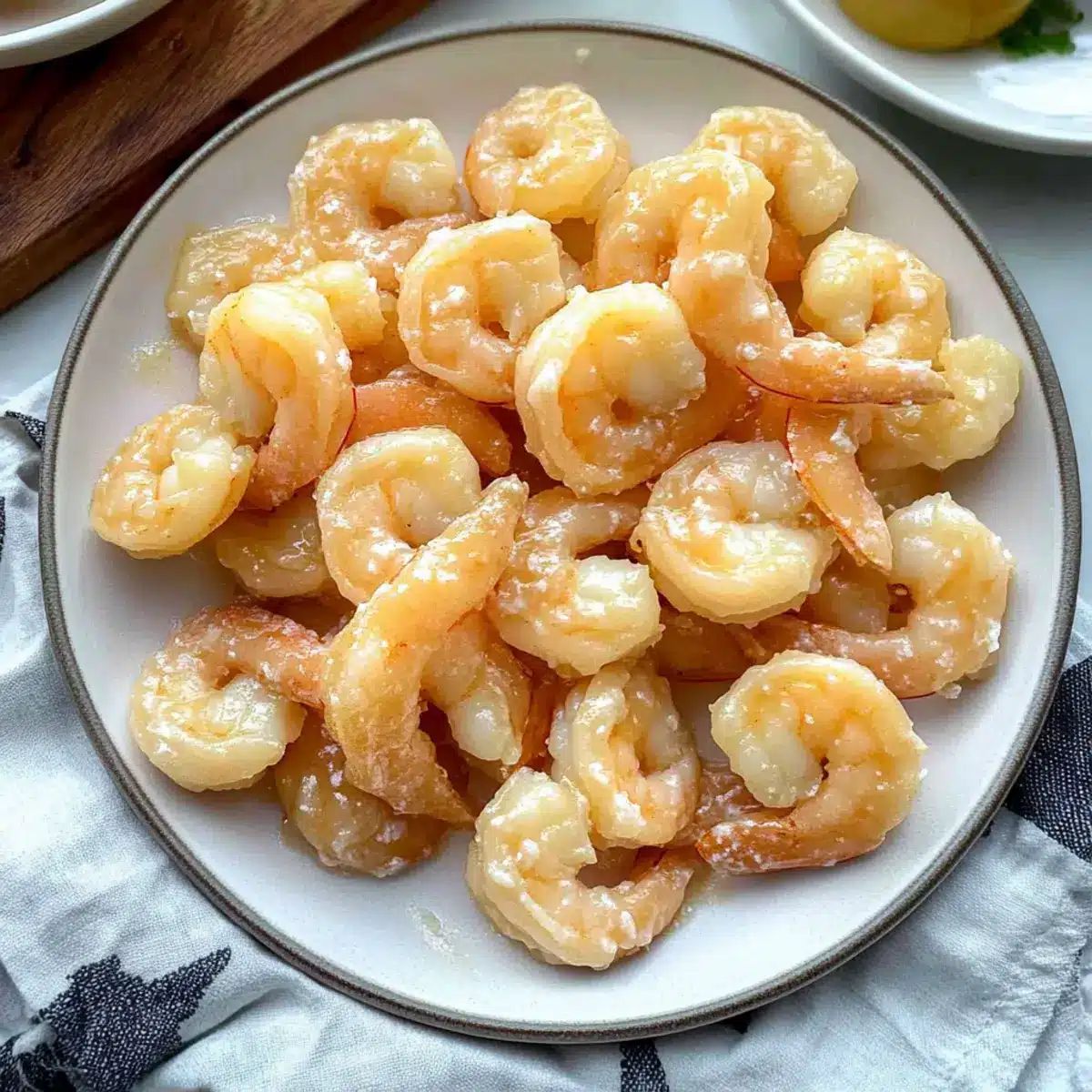
Chinese Coconut Shrimp Recipe FAQs
How do I choose the right shrimp for this recipe?
Absolutely! For the best results, look for shrimp that are fresh, firm, and have a mild ocean scent. Opt for shell-on, head-off shrimp as they tend to be juicier. If using frozen shrimp, ensure they are peeled and deveined for convenience. I recommend large or extra-large shrimp for a more satisfying bite!
How should I store leftovers, and how long will they last?
Leftovers can be stored in an airtight container in the refrigerator for up to 3 days. To reheat, gently warm them on the stovetop, adding a splash of water if the sauce gets too thick. This method helps preserve the creamy texture while reinvigorating the flavors.
Can I freeze Chinese Coconut Shrimp, and how?
Very! To freeze, arrange the cooked shrimp in a single layer on a baking sheet and place in the freezer until solid. Once frozen, transfer them to a freezer-safe container or resealable bag. They’ll keep well for up to 2 months. When ready to enjoy, reheat in the oven at 350°F for 10-15 minutes to maintain crispiness.
What should I do if my shrimp don’t turn out crispy?
If your shrimp don’t achieve that desired crispy texture, here are a few tips. First, ensure your oil is hot enough (around 350°F) before frying; too cool oil will result in soggy shrimp. Also, avoid overcrowding the pan; frying in small batches allows each piece to cook evenly. Finally, consider adding a touch more cornstarch to your breading mixture next time for extra crispiness.
Are there any dietary considerations for this recipe?
Of course! If you have allergy concerns, the primary ingredients to watch for are shrimp (shellfish) and mayonnaise (which may contain eggs). If cooking for someone with shellfish allergies, consider substituting with firm tofu or chicken. For gluten-free diets, ensure all sauces used are gluten-free and use cornstarch for breading.
Can I adjust the sweetness of the coconut sauce?
Absolutely! Feel free to experiment with the sugar and coconut milk ratios in the sauce to create the perfect level of sweetness for your palate. If you prefer a lighter option, consider replacing half of the sugar with honey or a natural sweetener. This flexibility allows you to tailor the dish to your tastes while keeping the essence of the Chinese Coconut Shrimp flavor profile!
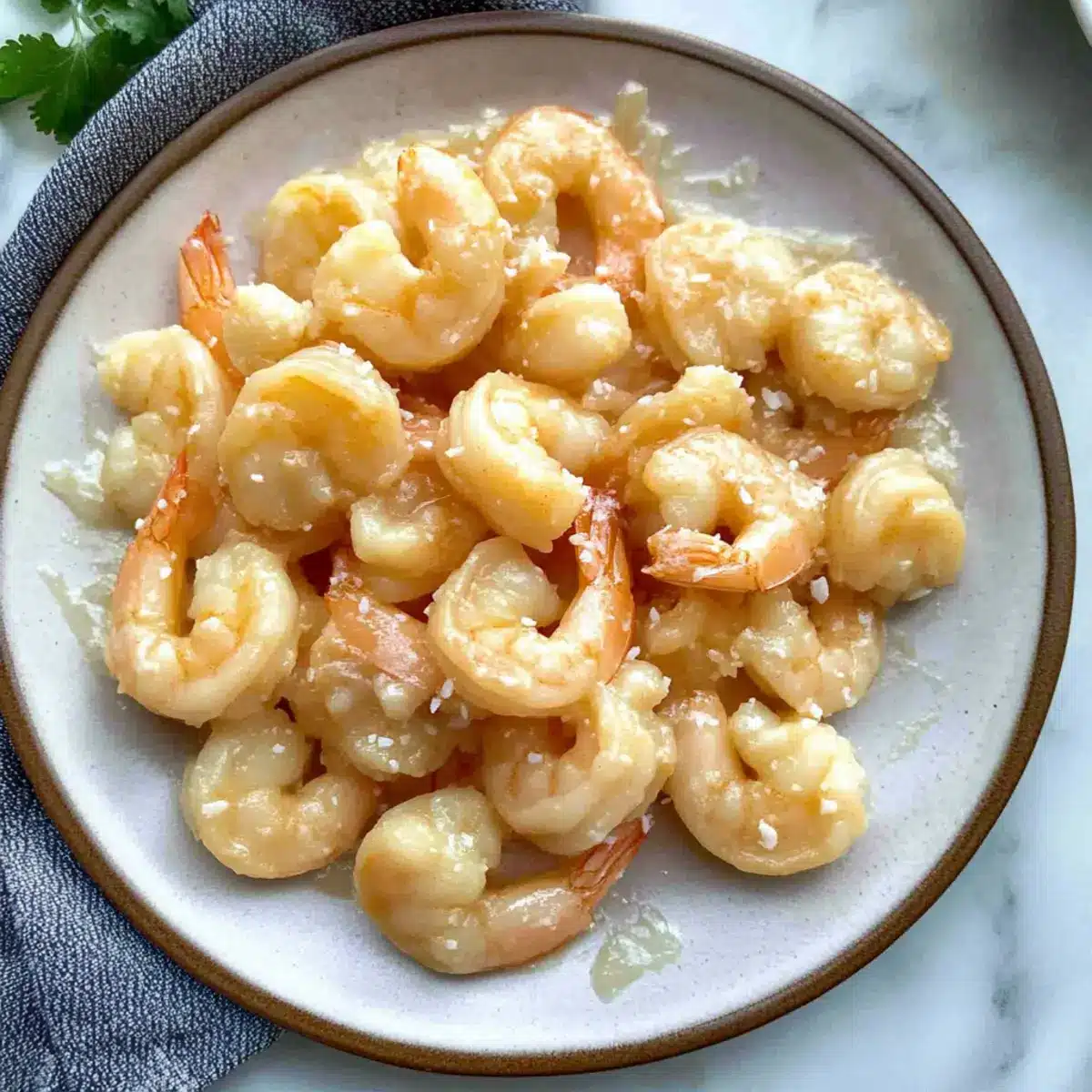
Chinese Coconut Shrimp: A Sweet & Creamy Delight at Home
Ingredients
Equipment
Method
- In a medium bowl, combine the shrimp, egg white, water or rice wine, and salt. Marinate for 10 minutes to 4 hours.
- In a small bowl, whisk together coconut milk, sugar, mayonnaise, white vinegar, and cornstarch. Sauté ginger in a skillet until fragrant, then add the sauce mixture, cooking until thickened.
- In a shallow dish, combine cornstarch and baking powder. Add to shrimp marinade. Dredge shrimp in this mixture and lay on a baking sheet.
- Heat oil in a deep skillet. Fry shrimp in small batches for 1-2 minutes or until golden brown. Remove and drain on a wire rack.
- Reheat coconut sauce in the skillet, add fried shrimp, and toss to coat evenly. Serve immediately.
Leave a Reply