
As I stood by the window this morning, the world outside transformed into a frosty wonderland, I suddenly craved something that felt like a warm hug. Enter the Best Soup Recipes for Winter—a comforting collection that brings together a medley of hearty flavors to thaw away the chill. With soul-soothing options like Creamy Tomato Basil Soup and Hearty Chicken Noodle Soup, these recipes aren’t just easy to whip up; they’re perfect for warming body and spirit alike. Whether you’re cooking for a cozy family dinner or looking to impress guests, these soups will wrap your taste buds in delightful satisfaction. So, are you ready to explore the culinary magic that each bowl of soup holds? Let’s dive in!
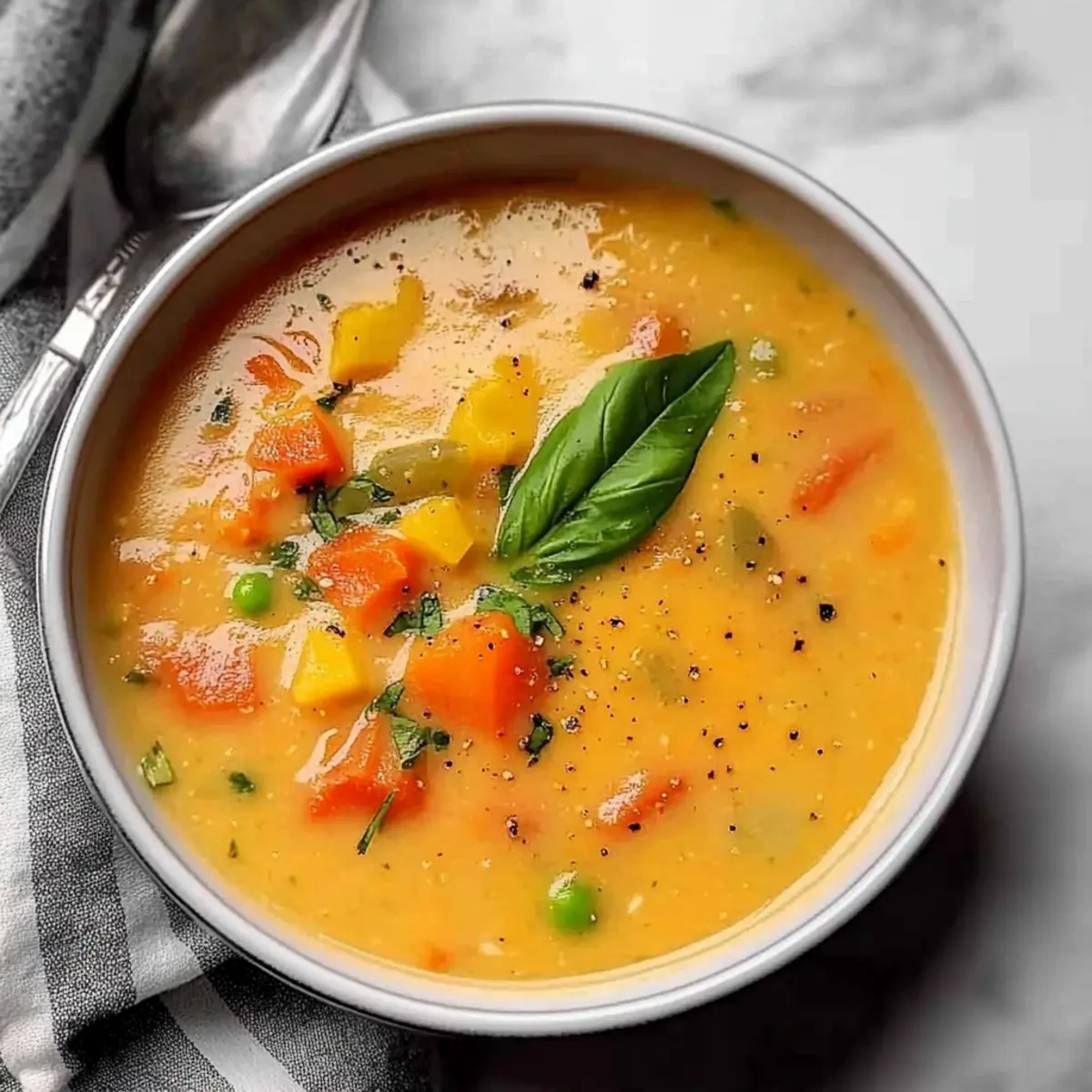
What makes these soups irresistible?
Cozy warmth: Each recipe is designed to wrap you in comforting flavors, helping you beat the winter chill.
Hearty options: From Hearty Chicken Noodle to Vegetarian Chili, there’s something for everyone, ensuring no one goes hungry.
Easy and quick: With straightforward recipes and minimal prep time, they’re perfect for busy weeknights or unexpected guests.
Creamy delights: Indulge in velvety textures like Butternut Squash Bisque or Loaded Baked Potato Soup, adding luxury to your meal.
Customizable flavors: Feel free to experiment with herbs or spices to make the recipes your own, keeping every bowl exciting!
For more warm and satisfying choices, don’t forget to check out my Creamy Tomato Basil Soup and Hearty Chicken Noodle Soup recipes!
Best Soup Recipes Ingredients
For Creamy Tomato Basil Soup
- Tomatoes – Main flavor base for richness; use canned for convenience.
- Fresh Basil – Adds a fragrant, fresh note; substitute with dried basil in a pinch.
- Cream – Creates a velvety texture; for a lighter version, use milk or non-dairy options.
For Hearty Chicken Noodle Soup
- Chicken – Provides protein and heartiness; rotisserie chicken works well for speed.
- Veggies (carrots, celery, onion) – Builds depth of flavor and nutrition; fresh or frozen both work.
- Noodles – Adds carbs; opt for egg noodles or whole wheat for a healthier version.
For Butternut Squash Bisque
- Butternut Squash – Adds sweetness and creaminess; can substitute with pumpkin puree.
- Spices (nutmeg, cayenne) – Elevate flavor profile; adjust according to taste.
- Vegetable Stock – Base liquid; chicken stock can be used for a richer taste.
For Spicy Thai Coconut Soup
- Coconut Milk – Provides creaminess and tropical taste; light coconut milk lowers calories.
- Chili Paste – Adds heat; adjust to spice tolerance. Red chili flakes are a good alternative.
- Lime Juice – Adds acidity; fresh lime is preferred, but bottled works in a pinch.
For Rustic Potato Leek Soup
- Potatoes – Main ingredient for thickness; use starchy potatoes like Yukon gold.
- Leeks – Offer subtle onion flavor; substitute with green onions if needed.
- Vegetable Broth – Base flavor; can replace with chicken broth for extra richness.
For Vegetarian Chili
- Beans (black, kidney) – Main protein source; substitute tofu or lentils for variation.
- Bell Peppers – Adds crunch and sweetness; swap with any preferred bell pepper variety.
- Spices (cumin, chili powder) – Provide warmth; adjust levels for personal taste.
For Classic Beef Stew
- Beef Chuck – Provides richness; can use stewing meat for convenience.
- Root Vegetables (carrots, potatoes) – Adds heartiness; seasonal veggies can be swapped in.
- Beef Broth – Enhances flavor; can use vegetable broth for a lighter stew.
For Loaded Baked Potato Soup
- Potatoes – Base ingredient; white or Russet are best for creaminess.
- Cheese – Brings richness; cheddar is classic, or use vegan cheese for a dairy-free option.
- Bacon – Adds crunch and flavor; omit for vegetarian version.
For Minestrone Soup
- Mixed Vegetables – For flavor; seasonal veggies enhance freshness. Frozen varieties work too.
- Pasta – Provides texture; opt for whole grain for added fiber.
- Beans – Adds protein and heartiness; any beans can be used.
For French Onion Soup
- Onions – Fundamental for sweetness and depth; use yellow or Vidalia onions for best flavor.
- Gruyère Cheese – Traditional topping, melted over bread; substitute with mozzarella for milder flavor.
- Beef Broth – Traditional base; vegetable stock offers a lighter version.
Each recipe in this Best Soup Recipes collection is sure to warm your heart and fill your stomach with love!
Step‑by‑Step Instructions for Best Soup Recipes
Step 1: Prepare Ingredients
Begin by gathering all your ingredients for the Best Soup Recipes collection. Wash and chop any vegetables, such as carrots, onions, or potatoes, into small, even pieces for consistent cooking. Measure out your stocks, spices, and any other liquids you will use in your recipes. This organized setup will help streamline your cooking process and ensure that you have everything readily available.
Step 2: Sauté Aromatics
In a large pot over medium heat, add a splash of olive oil and your chopped onions or leeks. Sauté them for about 5-7 minutes, stirring frequently until they become translucent and fragrant. This step builds a flavorful base for your soups that will set the tone for the rich tastes to come. You know they’re ready when they soften and release a sweet aroma.
Step 3: Build the Soup Base
Next, pour in your chosen broth—the foundation of your Best Soup Recipes. If you’re making a Creamy Tomato Basil Soup, add crushed or diced tomatoes now. For a Hearty Chicken Noodle Soup, toss in the pre-cooked chicken along with the vegetables. Bring the pot to a gentle simmer and let the ingredients mingle for about 10-15 minutes, allowing the flavors to deepen beautifully.
Step 4: Incorporate Pasta or Noodles
If your soup requires pasta or noodles, add them to the pot during the last 8-10 minutes of cooking. For instance, if you’re making Hearty Chicken Noodle Soup, egg noodles work best. Stir occasionally to prevent sticking and ensure even cooking. You’ll know they’re ready when the pasta is al dente, easily pierced with a fork but still firm.
Step 5: Blend (if needed)
For creamy soups such as Butternut Squash Bisque or Creamy Tomato Basil Soup, use an immersion blender directly in the pot and blend until smooth. If you prefer a silky texture, blend in batches using a countertop blender, but be cautious of the hot liquid. After blending, return the soup to low heat and stir in cream or milk as desired to achieve that luxurious consistency.
Step 6: Taste and Adjust
Now it’s time for the final touches! Taste your soup and adjust the seasoning accordingly, adding salt, pepper, or a splash of lime juice for brightness. If you’re creating Spicy Thai Coconut Soup, adjust the chili paste or flakes for your heat level. Simmer for another 5 minutes to ensure your seasonings meld perfectly before serving.
Step 7: Serve and Enjoy
Ladle the soup into warm bowls and garnish with fresh herbs such as basil or cilantro, or add shredded cheese for extra indulgence. Pair your cozy bowl of soup with crusty bread or a light salad for a complete meal. Enjoy the warmth and comforting flavors of your homemade Best Soup Recipes—perfect for any chilly winter evening!
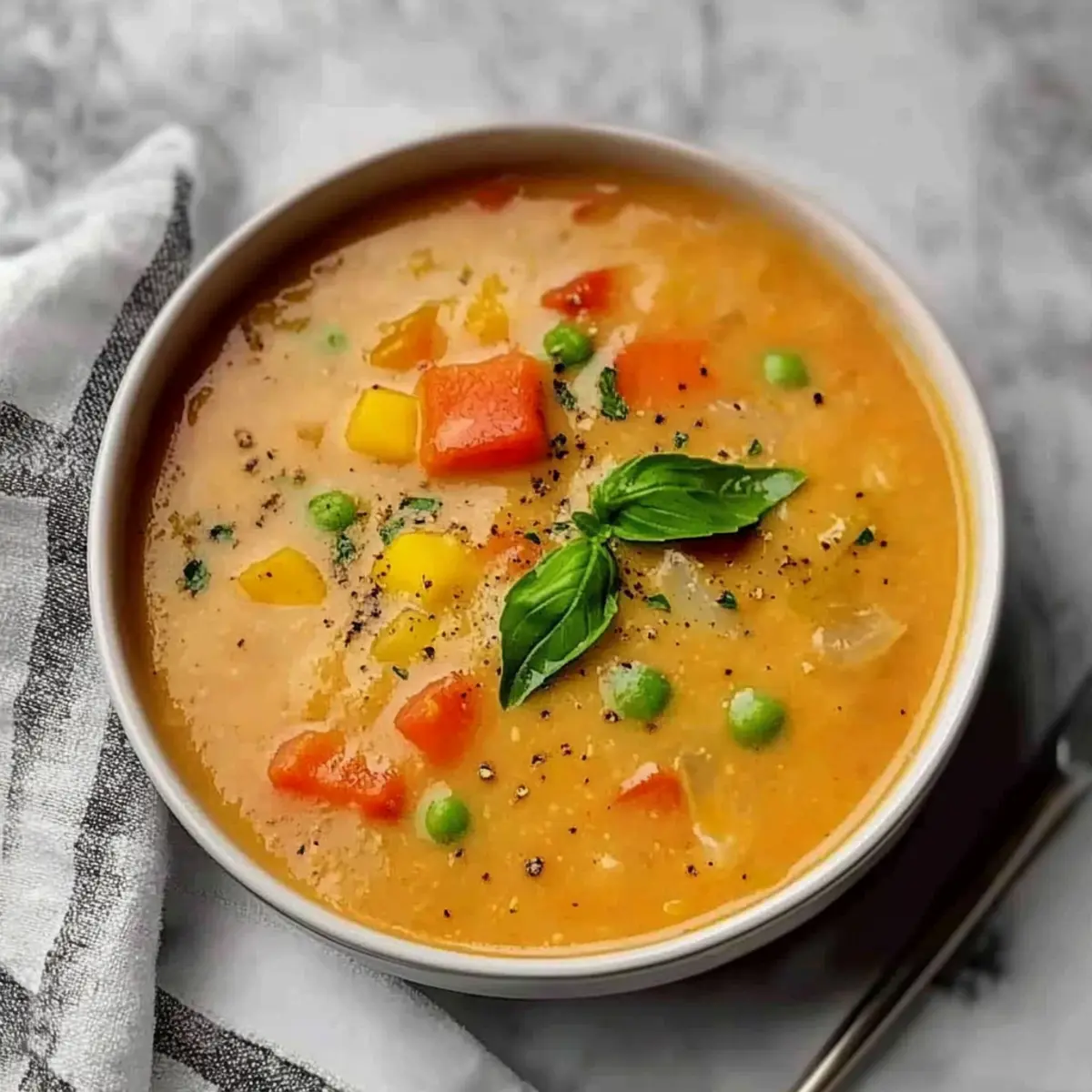
Make Ahead Options
These Best Soup Recipes are perfect for meal prep enthusiasts looking to save time on busy weeknights! You can chop vegetables and measure out spices for any of the soups up to 24 hours in advance, keeping them refrigerated in airtight containers to maintain freshness. For soups like Hearty Chicken Noodle or Vegetarian Chili, you can also cook the base (broth and proteins) ahead of time and refrigerate it for up to 3 days. When it’s time to serve, simply reheat on the stove, adding any uncooked pasta or noodles during the last 10 minutes of warming. This way, you’ll enjoy restaurant-quality results with minimal effort, perfect for when the chill of winter sets in!
What to Serve with Best Soup Recipes
As the warmth of steaming soup fills your kitchen, pair it with delightful sides that elevate your meal from simple to spectacular.
-
Crusty Bread: Perfect for dipping, the crispy exterior and soft interior add a satisfying texture contrast.
-
Fresh Green Salad: A light salad with mixed greens and a tangy vinaigrette complements the richness of creamy soups beautifully.
-
Grilled Cheese Sandwich: The gooey cheese and golden toast create a nostalgic experience that enhances a comforting bowl of soup.
-
Savory Cheese Biscuits: Flaky and cheesy, these biscuits offer a warm, buttery flavor that aligns perfectly with any hearty soup.
-
Roasted Vegetables: A medley of seasonal veggies brings freshness and crunch, balancing the meal with their natural sweetness.
-
Herbed Rice: Lightly seasoned rice makes for a great accompaniment, soaking up flavors while providing a hearty bite.
-
Apple Slices with Cheddar: The sweet crunch of apples paired with sharp cheddar creates a delightful contrast, rounding out your dining experience.
Set the table for a warm family gathering, and let each bite of your soup and sides evoke cozy memories of home-cooked love!
Expert Tips for the Best Soup Recipes
-
Choose Quality Ingredients: Use the freshest vegetables and herbs for the best flavors in your soups. Quality ingredients elevate the experience and nutrition.
-
Balanced Seasoning: Start with a little salt and adjust gradually as soups simmer. Over-seasoning at the beginning can overpower the delicate broth in your best soup recipes.
-
Simmer for Depth: Allow your soups to simmer longer for a richer, more profound flavor. Even letting it sit overnight can deepen the taste beautifully.
-
Creaminess Tricks: For a velvety texture in creamy soups, blend thoroughly before adding cream. This prevents separation and ensures a smooth finish.
-
Herb Variations: Feel free to swap or add different herbs to customize your soup flavors. A sprinkle of fresh herbs can beautifully enhance your best soup recipes!
How to Store and Freeze Best Soup Recipes
Fridge: Keep your soups in airtight containers for up to 5 days. This ensures they stay fresh, and flavors continue to develop.
Freezer: Most soups can be frozen for up to 3 months. Allow them to cool completely, then transfer to freezer-safe bags or containers. Write the date on them for easy reference!
Reheating: When ready to enjoy, thaw in the fridge overnight and reheat on the stovetop over low heat. Stir occasionally until warmed through to maintain the best texture and flavor.
Portioning: For easy servings, divide soups into smaller portions before freezing. This way, you can take out only what you need, ensuring no food goes to waste!
Best Soup Recipes Variations & Substitutions
Feel free to let your creativity flow as you customize these comforting soups to suit your taste and dietary needs!
-
Dairy-Free: Use coconut milk or any plant-based cream in creamy soups to achieve a velvety texture without dairy. It’s a delightful twist that accommodates vegan diets while keeping the essence intact.
-
Gluten-Free: Swap regular noodles with gluten-free pasta or rice noodles in any soup. This adjustment preserves the comforting heartiness, ensuring everyone can enjoy a warm bowl.
-
Heat Levels: For a spicy kick in your soups, add crushed red pepper flakes or fresh jalapeños. Adjust to your spice tolerance for a perfect balance—great for both the Spicy Thai Coconut Soup and Vegetarian Chili!
-
Herbs & Spices: Feel free to experiment with your favorite herbs; fresh dill or parsley can add a lovely brightness. For a twist, try adding smoked paprika for depth and excitement!
-
Vegetarian Protein: Replace meat with legumes like lentils or chickpeas in dishes like Classic Beef Stew or Hearty Chicken Noodle Soup. This not only boosts nutrition but also textures, making them satisfying for plant-based eaters.
-
Roasted Veggies: Adding roasted vegetables to any soup enhances flavor and adds a rich, caramelized note. Try this with Rustic Potato Leek Soup for extra dimension!
-
Creamy Alternatives: In place of cream, blend in silken tofu or cashews for a smooth finish that can cater to vegan diets while keeping that comforting creaminess in soups like Butternut Squash Bisque.
-
Flavor Infusion: Simmer herbs like rosemary or thyme with your broth at the beginning for an aromatic infusion that heightens depth in every spoonful. This little trick works wonders in Minestrone!
As you embark on your soup adventures, don’t forget to check out my other cozy options like Vegetarian Chili and Creamy Tomato Basil Soup for even more exciting variations!
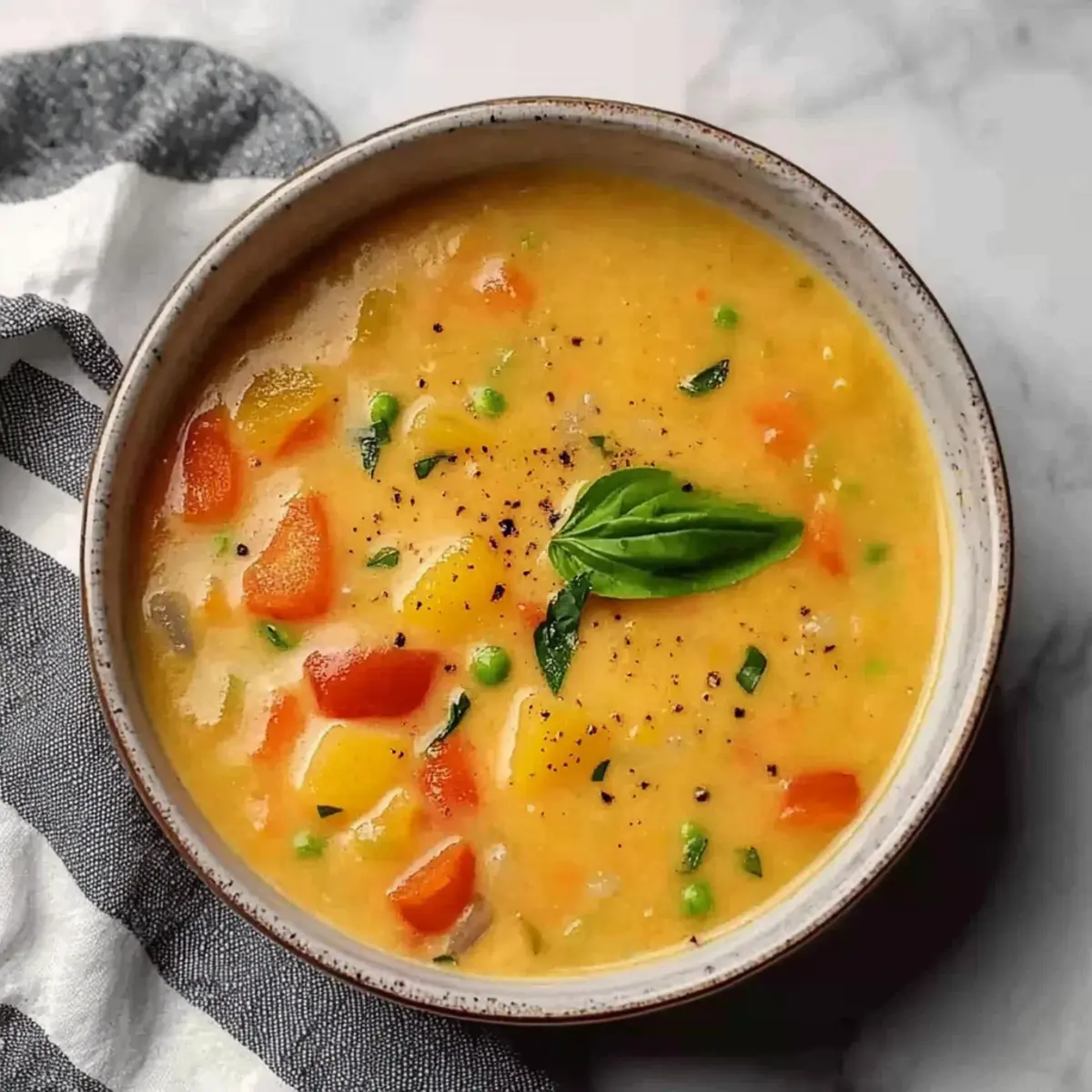
Best Soup Recipes Recipe FAQs
What type of tomatoes should I use for the Creamy Tomato Basil Soup?
Absolutely! For the best flavor, I recommend using canned whole or crushed tomatoes. They tend to have a richer taste compared to fresh tomatoes, especially in winter when fresh options may lack sweetness. If using fresh tomatoes, make sure they are ripe and juicy, as dark spots all over could indicate overripeness.
How long can I store leftover soups in the fridge?
Most soups can be stored in airtight containers in the fridge for about 3 to 5 days. Just make sure they are cooled completely before refrigerating to prevent bacteria growth. Always check for any off-smells or changes in color before reheating.
Can I freeze the Best Soup Recipes? If so, how?
Yes, you can freeze most soups for up to 3 months! First, let them cool completely. Then, pour the soup into freezer-safe bags or containers, leaving about an inch of space at the top for expansion. Squeeze out excess air, seal tightly, and label with the date for easy reference. For best results, thaw overnight in the refrigerator before reheating on low heat while stirring occasionally.
What should I do if my soup tastes bland?
No worries! If you find your soup lacking flavor, start by adding a little salt or pepper. You can also enhance the taste by adding a splash of acidity, like lemon juice or vinegar, which brightens up flavors. For extra richness, consider stirring in some cream or a tablespoon of a pre-made broth. Let it simmer for a few minutes before tasting it again!
Are these soup recipes suitable for people with dietary restrictions?
Very much so! Many of these Best Soup Recipes can be easily adapted for dietary preferences. For vegetarian options, like the Vegetarian Chili, simply ensure the vegetable broth is gluten-free, and for creamy soups, try using coconut or almond milk as non-dairy alternatives. Always check for allergies related to specific ingredients, such as nuts or dairy, and substitute accordingly.
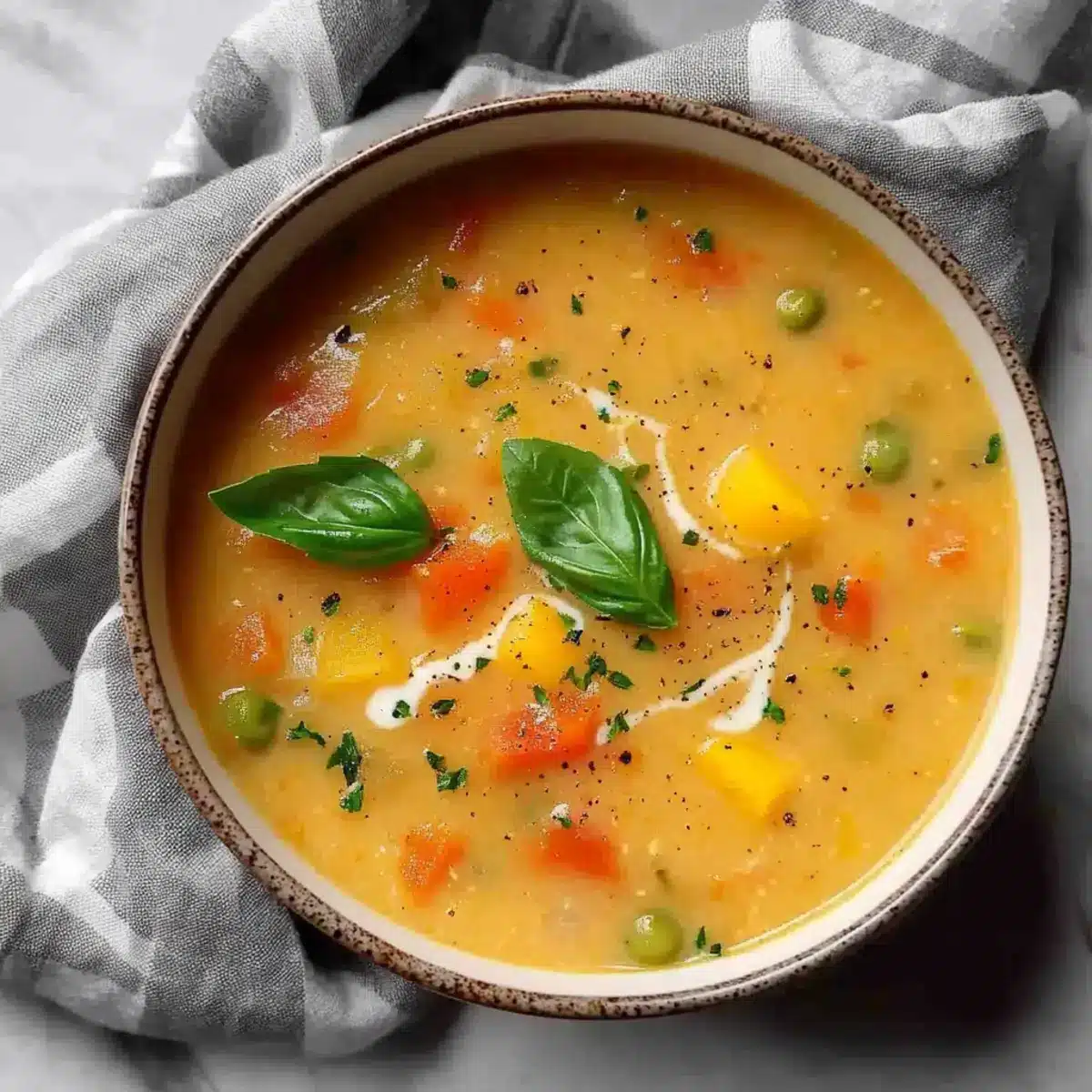
Cozy Up with the Best Soup Recipes for Winter Warmth
Ingredients
Equipment
Method
- Prepare Ingredients: Gather and chop all your ingredients for the soup collection.
- Sauté Aromatics: In a pot, add olive oil and sauté onions or leeks for 5-7 minutes.
- Build the Soup Base: Pour in your chosen broth and add other ingredients. Simmer for 10-15 minutes.
- Incorporate Pasta or Noodles: Add noodles during the last 8-10 minutes of cooking.
- Blend (if needed): Use an immersion blender for creamy soups until smooth.
- Taste and Adjust: Season your soup and simmer for another 5 minutes.
- Serve and Enjoy: Ladle soup into bowls, garnish, and serve.
Leave a Reply