
As I savored the last spoonful of a vibrant dessert filled with the tropics’ treasures, it hit me: Mango Ube Sticky Rice isn’t just a dish; it’s an experience. This delightful creation marries the creamy richness of coconut milk with the sweet, juicy brightness of ripe mangoes and the stunning purple hue of ube, resulting in a treat that’s as pleasing to the eye as it is to the palate. One of the best perks of making this gluten-free tropical dessert is its versatility—enjoy it any time of day as a luscious breakfast, a refreshing snack, or a crowd-pleasing dessert. Ready to elevate your culinary adventures? Let’s dive into the irresistible world of Mango Ube Sticky Rice together!
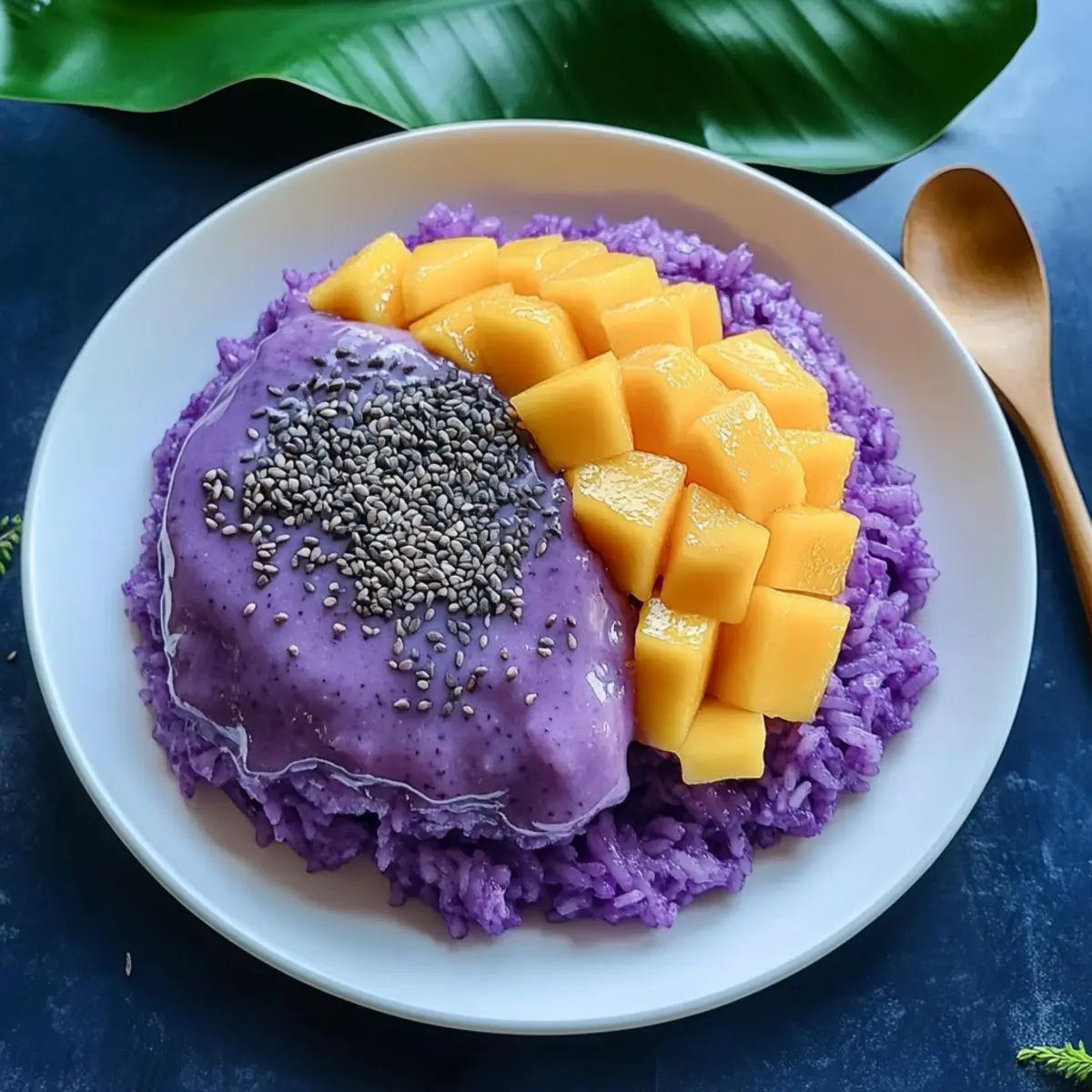
Why is Mango Ube Sticky Rice a Must-Try?
Irresistible Flavors: The blend of sweet mangoes and earthy ube creates a captivating taste sensation that transports your taste buds straight to a tropical paradise.
Versatile Delight: Perfectly suited for breakfast, a snack, or a dessert, this dish adapts to any occasion, thriving as a standalone treat or paired with options like our Sticky Apple Cider for an impressive spread.
Quick & Easy: With straightforward steps, even novice cooks can create this stunning dessert in no time, saving you from the usual fast food rut.
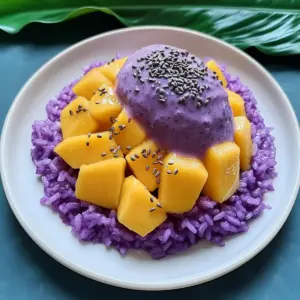
Vibrant Presentation: The eye-catching colors of purple and gold not only dazzle on the plate but also make it an Instagram-worthy delight, sure to impress guests at your next gathering.
Nutrient-packed: This gluten-free dessert offers a tasty solution for health-conscious eaters while indulging in a little sweetness—guilt-free! Embrace the nostalgia of tropical flavors and surprise your friends with this delightful dessert.
Mango Ube Sticky Rice Ingredients
For the Sticky Rice
- Dry Glutinous Rice – Provides the essential chewy texture; substitute with sweet rice if unavailable.
- Room Temperature Water – Used to soak the rice and to prevent lumps in the sauce.
For the Coconut Mixture
- Full-Fat Coconut Milk – Adds rich creaminess and ties all the flavors together; light coconut milk can be used for a lower-fat option, but the texture will differ.
- Granulated Sugar – Sweetens the dish; adjust according to taste preference. Can substitute with coconut sugar for a healthier option.
- Sea Salt – Enhances the overall flavor; a pinch is sufficient for the best taste.
- Ube Halaya or Ube Spread – Offers a stunning purple hue and earthy flavor; replace with purple sweet potato if needed.
- Ube Extract – Deepens the ube flavor; only a few drops are recommended for a rich taste.
For the Coconut Sauce
- Additional Full-Fat Coconut Milk – Keeps the coconut sauce rich and decadent; essential for that creamy consistency.
- Cornstarch – Thickens the coconut sauce for a silken finish; arrowroot powder may be used as a substitute.
For the Topping
- Ripe Mangoes – Provides juiciness and sweetness; select sweet varieties and avoid overly ripe or bruised mangoes for the best flavor.
- Toasted Coconut – Adds a crunchy texture that complements the creaminess; can be omitted for a smoother texture.
Step‑by‑Step Instructions for Mango Ube Sticky Rice
Step 1: Prepare Rice
Rinse 2 cups of dry glutinous rice under cold water until the water runs clear. Soak the rinsed rice in room temperature water for 8 to 24 hours to achieve the perfect chewy texture for your Mango Ube Sticky Rice. This soaking step is crucial for an ideal outcome.
Step 2: Steam Rice
After soaking, drain the rice and place it in a bamboo steamer lined with parchment paper. Steam the rice for 20 to 25 minutes over boiling water, checking periodically for translucence and a chewy texture. Once done, it should feel soft yet not mushy, ready to absorb the luscious coconut mixture.
Step 3: Mix Coconut Milk
In a saucepan, combine 1 cup of full-fat coconut milk with 1/4 cup of granulated sugar and a pinch of sea salt. Heat over medium flame until the sugar dissolves completely, stirring gently. Reduce the heat and stir in 1/2 cup of ube halaya and a few drops of ube extract, allowing the flavors to blend beautifully.
Step 4: Combine Rice with Coconut
Carefully add the steamed rice to the coconut mixture. Stir gently to ensure each grain is coated with the sweet, creamy concoction, cooking for about 4 minutes. As the rice absorbs the coconut milk, it will become even more flavorful and decadent, heightening your Mango Ube Sticky Rice experience.
Step 5: Cool Mixture
Turn off the heat and let the rice mixture cool for approximately 5 minutes. This brief cooling time allows the flavors to meld together, enhancing the overall taste and texture of your delightful Mango Ube Sticky Rice.
Step 6: Prepare Coconut Sauce
In the same saucepan, combine 1/2 cup of coconut milk with another 1/4 cup of sugar. Bring to a boil over medium heat, stirring frequently. Once boiling, dilute 2 tablespoons of cornstarch in a little room temperature water and gradually add it to the sauce while stirring continuously until thickened to a silky consistency.
Step 7: Slice Mangoes
Peel 2 ripe mangoes and slice them into 1/4-inch thick strips, ensuring you have enough juicy pieces to generously top your dessert. Choose sweet varieties for the best flavor, avoiding any overly ripe or bruised mangoes to keep your presentation looking gorgeous.
Step 8: Serve
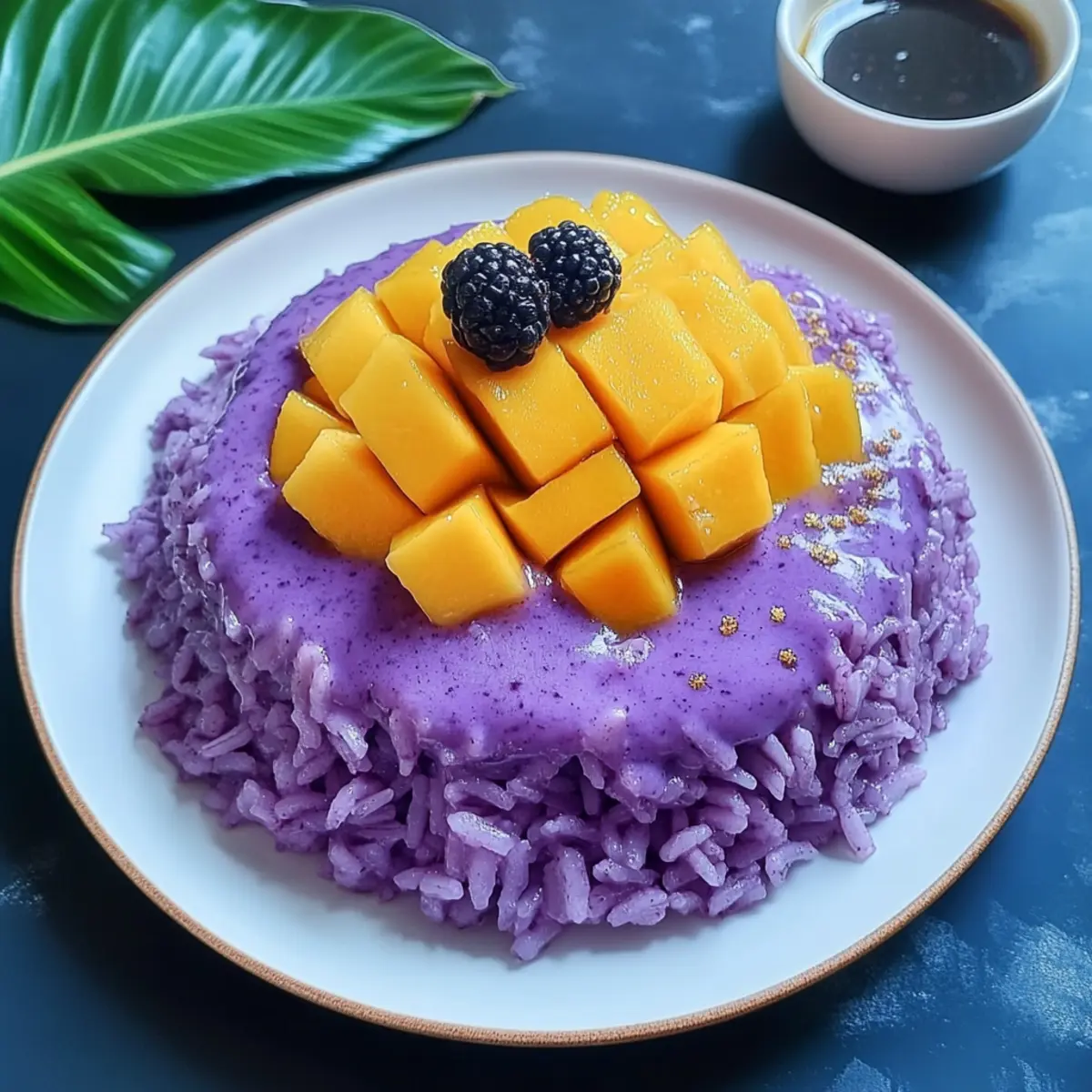
To serve your Mango Ube Sticky Rice, portion it onto individual plates. Top generously with the sliced mangoes, sprinkle with toasted coconut for a delightful crunch, and drizzle with the rich coconut sauce. This visually stunning dessert will surely impress everyone at the table, making it a memorable treat!
How to Store and Freeze Mango Ube Sticky Rice
Fridge: Store leftovers in an airtight container for up to 3 days. To maintain moisture, reheat gently on the stovetop with a splash of coconut milk.
Freezer: For longer storage, freeze portions in airtight containers for up to 2 months. Thaw in the fridge overnight before reheating for the best texture.
Room Temperature: Avoid leaving Mango Ube Sticky Rice at room temperature for more than 2 hours to ensure food safety.
Reheating: When reheating from the fridge, add a bit of coconut milk to prevent drying out, and warm over low heat until heated through.
Mango Ube Sticky Rice Variations
Feel free to explore exciting twists and swaps to make this dessert uniquely yours!
-
Tropical Fruits: Swap out mangoes for papaya or pineapple to refresh the flavor profile.
-
Dairy-Free Delight: Use coconut cream alternatives and sweetener of choice for a lighter yet still delicious twist.
-
Sweet Potato Surprise: Replace ube with purple sweet potatoes for a different earthy flavor; the vibrant color remains divine!
-
Nutty Additions: Mix in crushed almonds or macadamia nuts for a satisfying crunchy texture alongside the sticky rice.
-
Spicy Kick: Sprinkle in a pinch of cayenne or chili flakes to enhance the dish with a hint of heat, creating a sweet and spicy contrast.
This recipe pairs beautifully with other tropical favorites too! Consider enjoying it alongside a savory plate of Corn Chicken Rice to complement your meal.
-
Frozen Treat: Freeze portions for a popsicle-style dessert; just scoop some onto a stick for a refreshing summer treat.
-
Flavored Coconut Sauce: Infuse your coconut sauce with pandan or vanilla extract for additional aromatic layers that delight the senses.
Each of these variations invites you to create the Mango Ube Sticky Rice that tantalizes your taste buds while embracing new culinary adventures!
What to Serve with Mango Ube Sticky Rice
Bring the tropical flavors of your kitchen to life with these delightful pairings that enhance your dessert experience.
- Fresh Fruit Salad: A vibrant mix of seasonal fruit adds a refreshing crunch to your sweet sticky rice, balancing flavors beautifully.
- Coconut Chia Pudding: Creamy and rich, this coconut-based pudding complements the ube’s earthiness, making for a lavish dessert duo.
- Thai Iced Tea: The sweet and spiced notes of this traditional beverage create a wonderful contrast to the rich, tropical elements of the sticky rice.
- Toasted Nuts: A sprinkle of toasted almonds or cashews brings an extra layer of crunch and a nutty flavor that perfectly complements the creaminess.
- Passion Fruit Sauce: Drizzle this tangy sauce over the sticky rice for a burst of bright acidity, balancing the sweetness of the dish while enhancing its tropical vibe.
- Grilled Pineapple: Juicy, caramelized pineapple adds a smoky sweetness that pairs well with the creamy texture of the sticky rice, creating an unforgettable combination.
- Mint Tea: The refreshing notes of mint tea cleanse the palate and enhance the overall tropical experience, making every bite feel like a mini-vacation.
- Mango Sorbet: A scoop of this cool, fruity delight intensifies the flavors of your dessert, adding a refreshing twist to each heavenly bite of ube sticky rice.
Make Ahead Options
These Mango Ube Sticky Rice bowls are perfect for meal prep! You can soak the glutinous rice up to 24 hours in advance, ensuring it’s ready to cook when you are. Additionally, you can prepare the coconut mixture and the ube halaya up to 3 days ahead; just store them in separate airtight containers in the refrigerator to maintain their rich flavors. When it’s time to serve, simply steam the rice, mix it with the coconut mixture, and prepare the coconut sauce. This way, you’ll have a delicious tropical dessert ready for any occasion with minimal last-minute effort, making it an ideal choice for busy weeknights!
Expert Tips for Mango Ube Sticky Rice
-
Soak Properly: Ensure you soak the glutinous rice for at least 8 hours. This is essential for achieving that perfect chewy texture in your Mango Ube Sticky Rice.
-
Steaming Technique: Use a bamboo steamer lined with parchment paper to prevent the rice from sticking. This ensures even cooking and a delightful end result.
-
Add Ingredients Gradually: When mixing the ube halaya into the coconut milk, do it gradually. This will help achieve a consistent color and flavor throughout your dish.
-
Check the Coconut Sauce: If your coconut sauce doesn’t thicken as expected, mix a bit more cornstarch with water and add it slowly while stirring continuously.
-
Selecting Mangoes: Choose ripe, but not overly ripe mangoes for the topping. Avoid any bruised fruit to maintain a stunning visual presentation for your Mango Ube Sticky Rice.
-
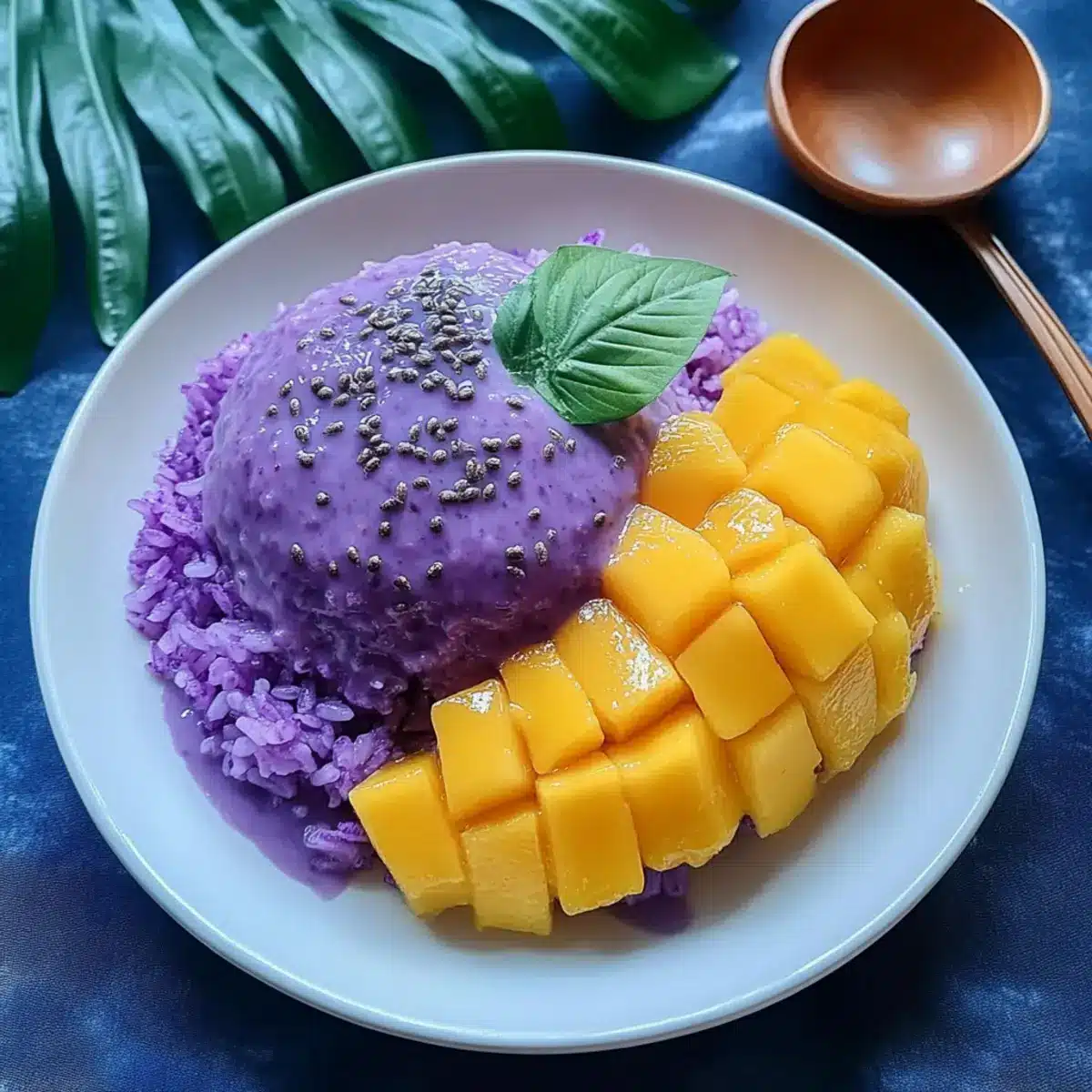
Garnishing Ideas: Experiment with other toppings! Toasted coconut adds a great crunch, but consider adding fresh mint leaves for a burst of flavor and color.
Mango Ube Sticky Rice Recipe FAQs
What type of rice should I use for Mango Ube Sticky Rice?
Use dry glutinous rice as it provides the essential chewy texture. If you can’t find it, sweet rice can be a suitable substitute, but make sure it’s labeled as glutinous or sweet for the best results.
How should I store leftover Mango Ube Sticky Rice?
Store any leftovers in an airtight container in the refrigerator for up to 3 days. To prevent it from drying out, reheat gently on the stovetop with a splash of coconut milk to restore moisture and creaminess.
Can I freeze Mango Ube Sticky Rice?
Absolutely! You can freeze portions of Mango Ube Sticky Rice in airtight containers for up to 2 months. To thaw, place it in the fridge overnight. When ready to serve, warm it slowly on the stovetop, adding a little coconut milk if necessary to help it regain its creamy texture.
What should I do if my coconut sauce doesn’t thicken?
If your coconut sauce doesn’t thicken as expected, don’t worry! Simply mix an additional 1-2 tablespoons of cornstarch with a little water to create a slurry. Gradually add this to your sauce while stirring continuously over low heat until it reaches your desired thickness. This step can easily rescue your sauce!
Is Mango Ube Sticky Rice safe for people with dietary restrictions?
Yes, this tropical delight can be enjoyed by many! It is gluten-free, and by using coconut sugar instead of granulated sugar, you can make it lower in processed sugars. However, always check ingredients like ube halaya for potential allergens. For those with coconut allergies, you may want to avoid this recipe or replace coconut milk with an appropriate alternative—though it will change the dish’s flavor and texture.
What type of mangoes should I select?
When choosing mangoes, look for ripe varieties that are sweet and fragrant. Avoid mangoes with dark spots all over or those that are too soft, as they may be overripe. Ideal choices include Haden, Tommy Atkins, or Honey mangoes, as they offer the juicy sweetness that perfectly complements the ube sticky rice.
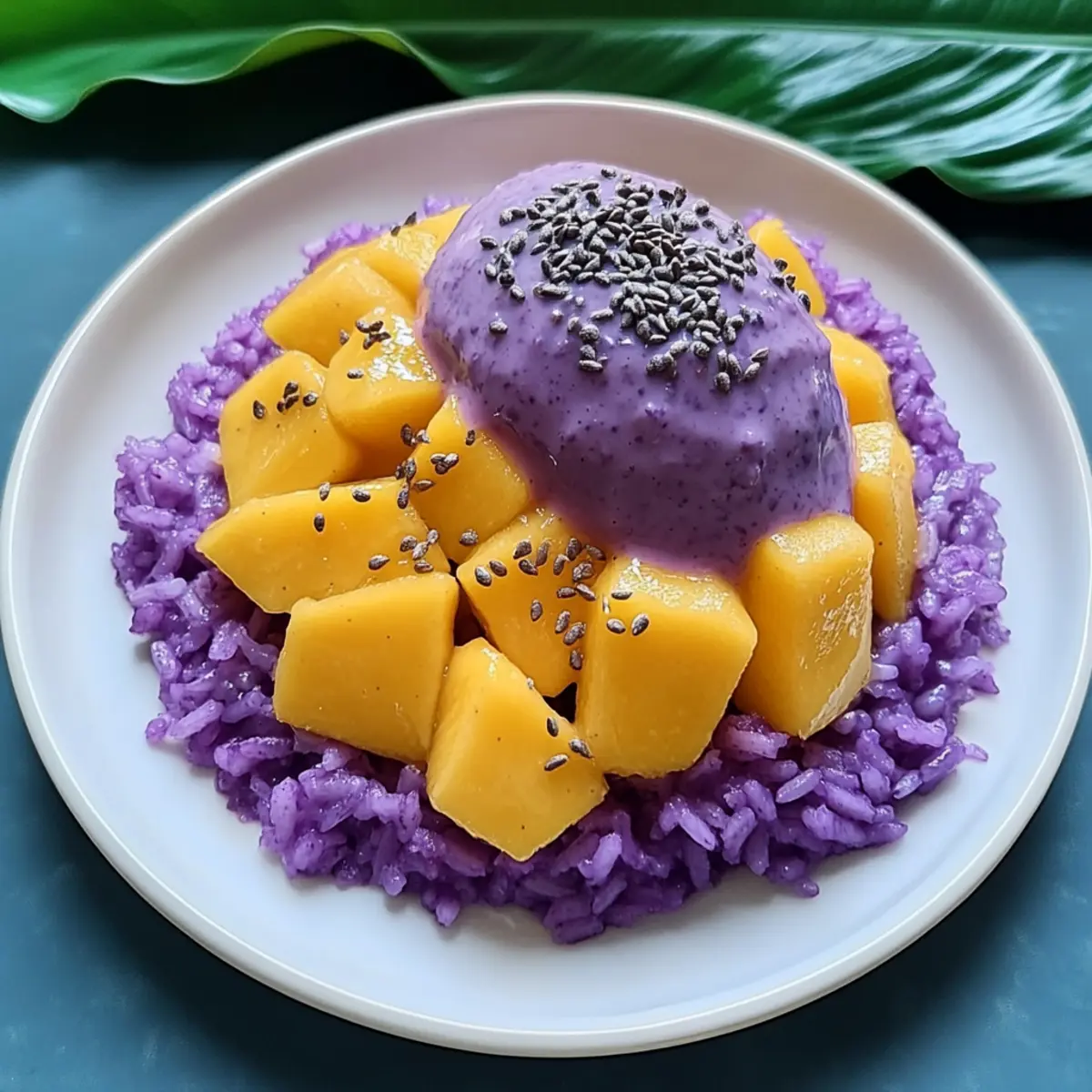
Mango Ube Sticky Rice: A Tropical Bliss You’ll Crave
Ingredients
Equipment
Method
- Rinse 2 cups of dry glutinous rice under cold water until the water runs clear. Soak the rinsed rice in room temperature water for 8 to 24 hours.
- After soaking, drain the rice and place it in a bamboo steamer lined with parchment paper. Steam for 20 to 25 minutes, checking for translucence.
- Combine 1 cup of coconut milk with 1/4 cup of sugar and a pinch of salt in a saucepan. Heat until sugar dissolves, then add 1/2 cup of ube halaya and ube extract.
- Carefully add steamed rice to the coconut mixture. Stir gently, cooking for 4 minutes until coated.
- Let the rice mixture cool for approximately 5 minutes.
- Combine 1/2 cup coconut milk with another 1/4 cup sugar in the saucepan. Bring to a boil and add 2 tablespoons cornstarch diluted in water gradually until thickened.
- Peel and slice 2 ripe mangoes into 1/4-inch thick strips for topping.
- To serve, portion rice onto plates, top with mango slices, sprinkle with toasted coconut, and drizzle with coconut sauce.
Leave a Reply