
In the heart of every bustling kitchen, there’s a comforting bowl of warmth waiting to take the spotlight. Japanese Glass Noodle Soup, or Harusame Soup, offers a delightful escape from the clutches of fast food with its delicate glass noodles that soak up a rich umami broth. What I love most about this recipe is its versatility—it’s a quick go-to when I need something refreshing yet satisfying. Plus, it offers endless customization options, whether you choose to load it with seasonal vegetables or add your favorite protein. As the soothing aroma wafts through the air, it’s hard to resist the call of a nourishing meal that feels like a warm embrace. Ready to embark on a journey of culinary creativity with me? Let’s dive into this enchanting dish!
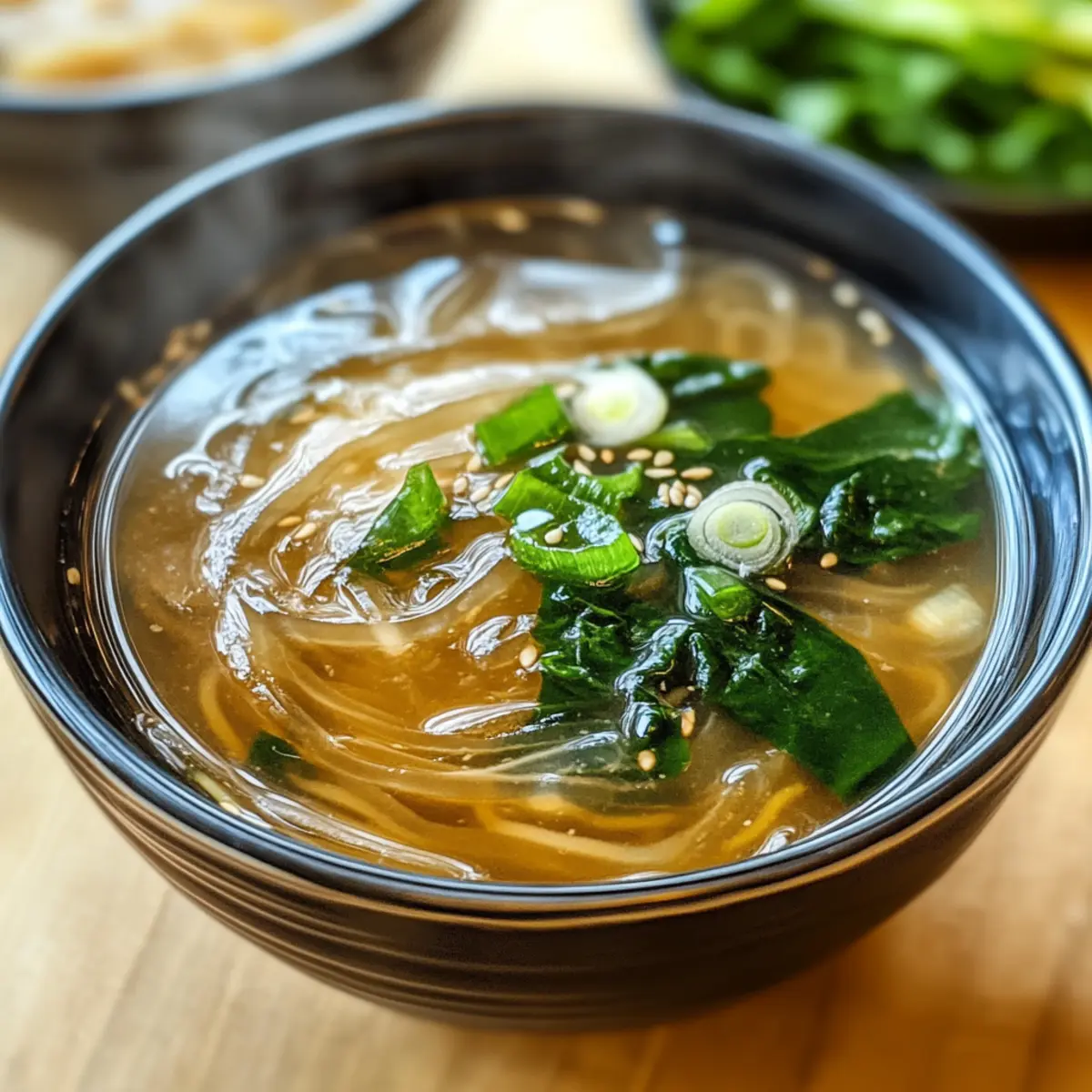
Why is Japanese Glass Noodle Soup special?
Comforting Warmth: The delicate broth envelops you in a soothing embrace, perfect for any meal.
Endless Customization: Load it up with seasonal veggies or your favorite protein; the choice is yours!
Quick and Easy: Whipping this up takes only a few minutes—ideal for busy weeknights.
Light Yet Satisfying: A low-calorie option that still satisfies your hunger without the heaviness.
Crowd-Pleasing Appeal: Whether you serve it as an appetizer or a main dish, this soup always impresses! Dive into this delightful concoction, and if you’re also a fan of cozy meals, check out my Cowboy Soup Hearty or Japanese Katsu Bowls for more comforting options.
Japanese Glass Noodle Soup Ingredients
Embrace the comforting flavors of Japanese Glass Noodle Soup with these essential ingredients!
For the Soup Base
- Glass Noodles – Light and chewy, these noodles soak up the savory broth beautifully. Substitute rice noodles if desired.
- Dashi (Japanese Soup Stock) – Provides deep umami flavor; vegetable broth serves as a great vegetarian alternative.
- Soy Sauce – Adds a rich, salty depth; use tamari for a gluten-free version.
- Mirin – This sweet rice wine balances flavors; substitute with sugar and rice vinegar if needed.
- Sesame Oil – Offers a nutty aroma that elevates the broth; it’s optional but highly recommended.
For the Vegetables
- Mushrooms – Enhance the soup’s umami profile; any type works well, so get creative!
- Spinach – Adds a fresh, vibrant touch, or swap with kale for a heartier green.
- Green Onions – Provide a pop of flavor and color; scallions can serve as a nice substitute.
For Protein (optional)
- Tofu – A fantastic plant-based protein; firm tofu holds its shape best.
- Chicken – For a meatier version, shredded or diced chicken adds heartiness.
- Shrimp – A delightful addition for seafood lovers, bringing a sweet, briny flavor to the dish.
Feel free to tailor your Japanese Glass Noodle Soup to your taste; remember, it’s all about making it your own!
Step‑by‑Step Instructions for Japanese Glass Noodle Soup
Step 1: Prepare the Noodles
Begin by soaking the glass noodles in a bowl of hot water for about 5–10 minutes until they are soft and pliable. Once softened, drain the noodles and set them aside, allowing any excess water to drip off. The noodles should be clear and have a slightly chewy texture, perfect for absorbing the flavors of the soup.
Step 2: Make the Broth
In a medium pot, combine the dashi, soy sauce, mirin, and sesame oil over medium heat. Stir gently and bring the mixture to a simmer, which should take around 5 minutes. You’ll know it’s ready when the broth becomes aromatic and starts to bubble lightly, creating a perfect umami base for your Japanese Glass Noodle Soup.
Step 3: Add Vegetables
Carefully introduce your chosen vegetables, such as mushrooms, spinach, and green onions, into the simmering broth. Allow the mixture to simmer for another 3–5 minutes until the vegetables are tender yet vibrant. You’ll see the colors brighten up, creating a beautiful and inviting soup base that enhances the overall flavor.
Step 4: Incorporate Noodles
Now, stir in the drained glass noodles into the pot, ensuring they are well-coated with the broth. Let the noodles soak for an additional 2–3 minutes, allowing them to absorb all those delightful flavors. The noodles should become pliable, blending beautifully with the vibrant vegetables and broth.
Step 5: Serve
Once the noodles are perfectly infused with the broth, ladle the Japanese Glass Noodle Soup into warm bowls. Feel free to garnish with extra green onions or any additional protein, like tofu or shrimp, for a heartier dish. Your soup is ready to embrace you in warmth and comfort—enjoy!
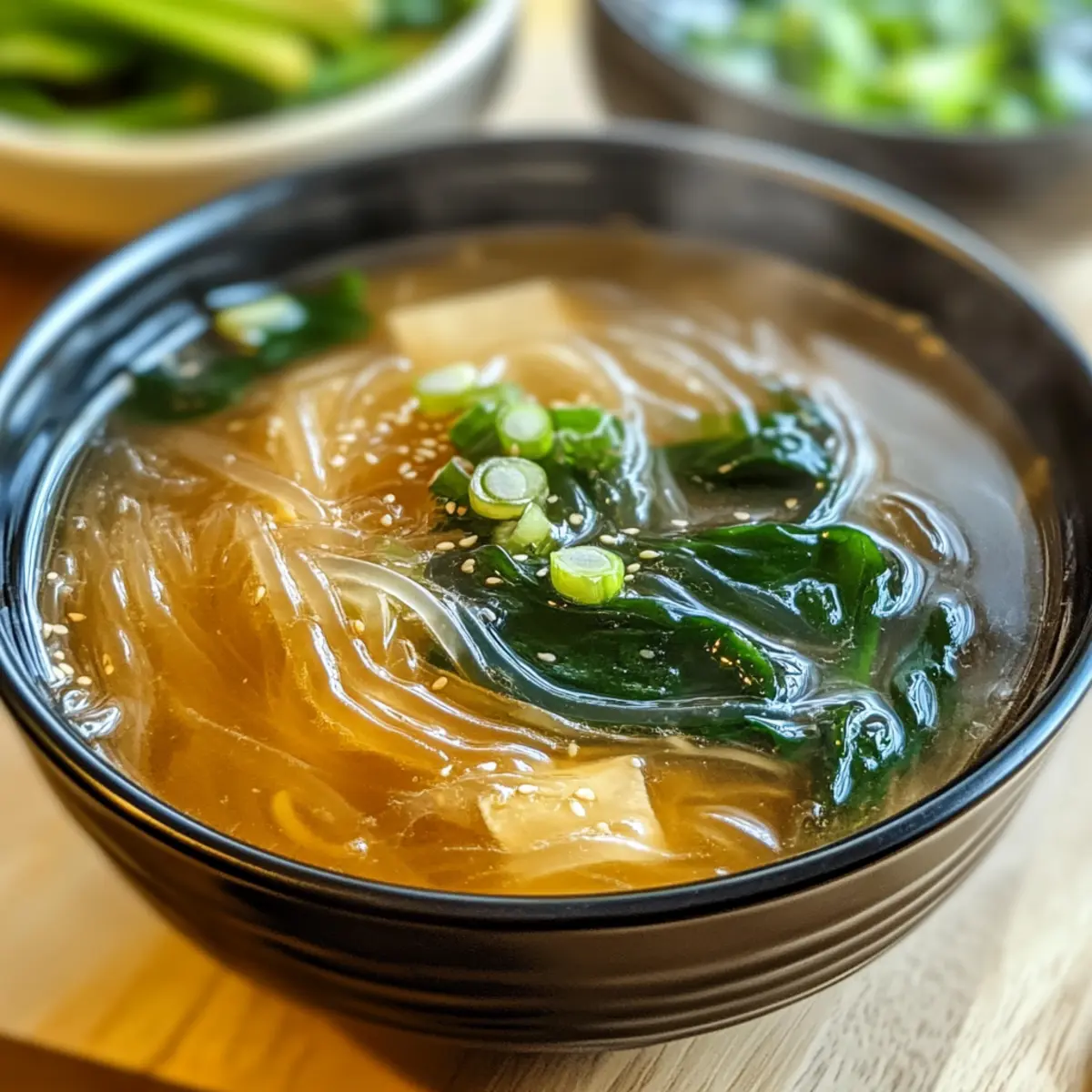
Make Ahead Options
These Japanese Glass Noodle Soups are a fantastic choice for meal prep, saving you time on busy weeknights! You can prepare the broth (dashi, soy sauce, mirin, and sesame oil) up to 3 days in advance and store it in the refrigerator. Additionally, you can chop vegetables and store them in an airtight container for 24 hours before adding them to the soup. When you’re ready to serve, simply heat the broth, add the vegetables and glass noodles, and simmer for a few minutes until everything is tender. This method ensures your dish retains its fresh flavors while minimizing prep time, allowing you to enjoy a comforting bowl of Japanese Glass Noodle Soup with ease!
Japanese Glass Noodle Soup Variations
Get creative with your Japanese Glass Noodle Soup to make it uniquely yours!
-
Acidic Twist: Add a splash of lime juice for a zesty kick that brightens up the flavors and complements the broth beautifully.
-
Texture Change: Substitute glass noodles with rice vermicelli for a slightly different texture, giving your soup an exciting twist.
-
Umami Boost: Incorporate a tablespoon of miso paste into the broth before adding the veggies for an extra layer of richness and depth.
-
Herb Infusion: Toss in some fresh cilantro or basil just before serving for a fragrant and flavorful herbaceous touch that elevates each spoonful.
-
Spicy Kick: Stir in a dash of chili oil or fresh sliced chili for those who enjoy a little heat—it adds vibrant layers to the warming broth.
-
Protein Options: Mix and match with proteins: swap out the tofu for shredded chicken or shrimp, or even include sliced beef for different flavor profiles.
-
Vegetable Variety: Use seasonal vegetables like zucchini, bell peppers, or bok choy to keep things fresh and colorful throughout the year—each adds its unique charm.
-
Creamy Addition: For a richer broth, swirl in a little coconut milk, which not only enhances flavor but also adds a beautiful creaminess to your soup.
As you explore these variations, remember to keep your palette in mind. There’s something so joyous about customizing a beloved dish—it truly makes it your own! If you’re looking for more cozy recipes, don’t miss my Lasagna Soup Warms or Scallion Chicken Noodle for comforting meal ideas!
Storage Tips for Japanese Glass Noodle Soup
- Refrigerator: Store leftover Japanese Glass Noodle Soup in an airtight container for up to 2 days. This will help maintain the flavors while keeping it fresh.
- Freezer: While not ideal, you can freeze the soup for up to 1 month. However, note that the noodles may become softer upon thawing, so it’s best to freeze the broth and noodles separately if possible.
- Reheating: When ready to enjoy, gently reheat on the stove over low heat with a splash of water to loosen the noodles and refresh the soup’s consistency. Avoid boiling to prevent overcooking.
- Best Fresh: For optimal taste and texture, try to consume the soup fresh. The flavors meld beautifully right after cooking, capturing the comforting essence of Japanese Glass Noodle Soup.
Expert Tips for Japanese Glass Noodle Soup
- Fresh Ingredients Matter: Always opt for fresh vegetables and high-quality broth; they significantly enhance the flavor of your Japanese Glass Noodle Soup.
- Watch the Noodles: Avoid over-soaking glass noodles; they should maintain a slight chew to fully absorb the broth’s goodness.
- Stock Substitutions: If dashi isn’t available, don’t hesitate to use vegetable broth for a lighter vegetarian option that still packs a punch.
- Season It Right: Taste your broth before serving and adjust as needed; adding a touch more soy sauce can balance flavors beautifully.
- Garnishing Styles: Experiment with different garnishes like cilantro or lime wedges to elevate your soup’s flavor profile and presentation.
What to Serve with Japanese Glass Noodle Soup
A comforting bowl of Japanese Glass Noodle Soup can be the star of your meal, but pairing it just right makes everything more delightful!
- Crispy Tempura: Light and crispy, tempura adds a crunchy contrast that complements the soup’s delicate flavors perfectly.
- Pickled Vegetables: Serve a side of tangy pickles to lend a refreshing crunch and elevate the umami profile of the meal.
- Green Salad: A simple fresh salad drizzled with sesame dressing provides a crisp texture and balances the richness of the broth.
- Steamed Dumplings: These flavorful morsels make for a fantastic appetizer, offering a satisfying bite alongside the light soup.
- Savory Japanese Rice: A bowl of warm, seasoned rice can soak up any remaining broth, providing heartiness and earthy flavor.
- Chilled Edamame: This protein-packed snack offers a fun and healthy nibble, perfect for casual dining alongside the soup.
- Sake or Green Tea: For drinks, a warm cup of sake or fresh green tea rounds out the meal beautifully, enhancing the flavors of the dish.
Feel free to mix and match these suggestions to create a well-rounded dining experience your loved ones will cherish!
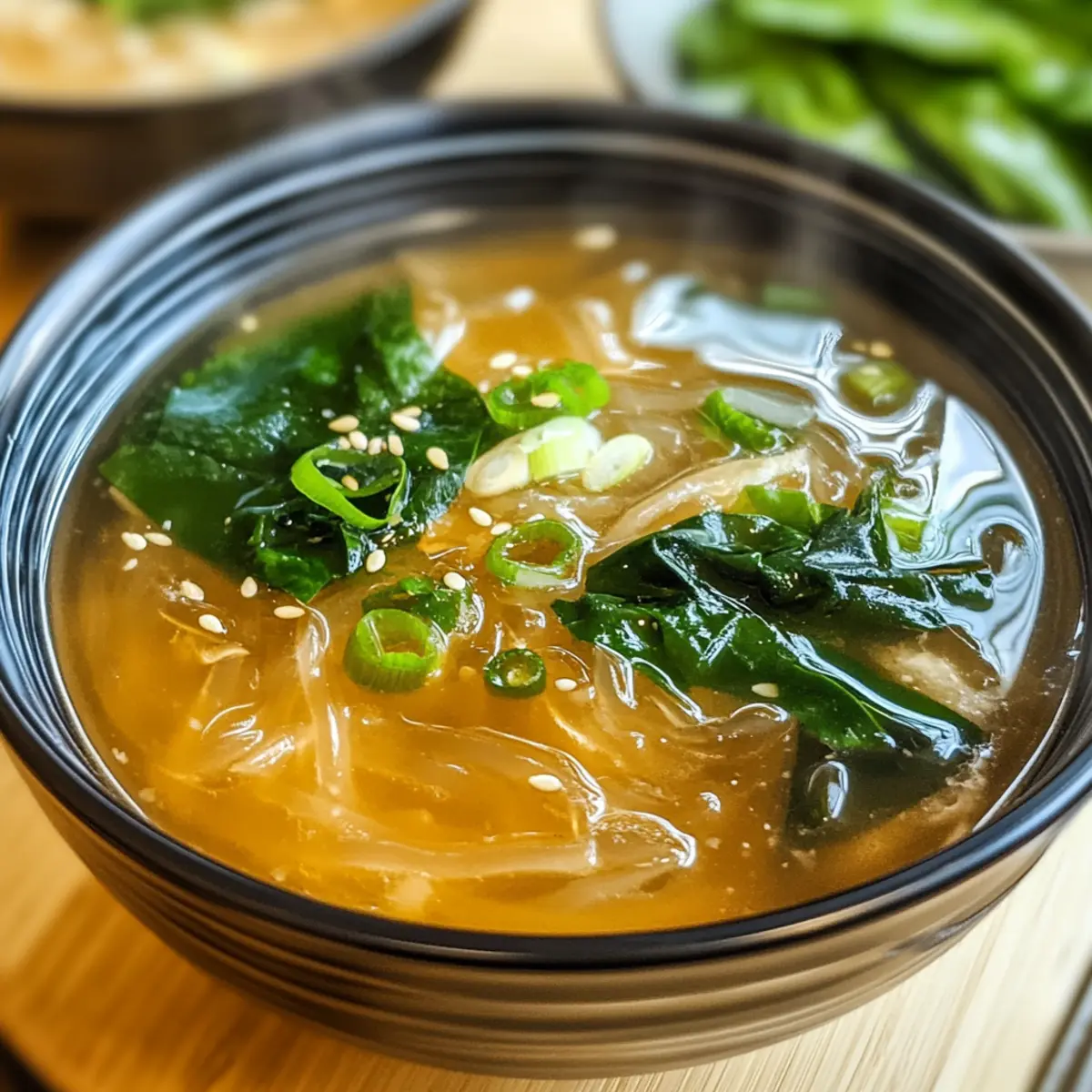
Japanese Glass Noodle Soup Recipe FAQs
How do I choose the best glass noodles for my soup?
Absolutely! Look for high-quality glass noodles made from mung bean starch; they should be clear and slightly chewy. If you’re in a pinch, rice noodles can be a suitable substitute, providing a similar texture and flavor absorption.
How should I store leftover Japanese Glass Noodle Soup?
Leftovers can be stored in an airtight container in the refrigerator for up to 2 days. To maintain flavor and quality, make sure the soup is cooled to room temperature before refrigerating. When reheating, do so gently on the stove with a splash of water to loosen the noodles.
Can I freeze Japanese Glass Noodle Soup?
Yes, you can freeze it! However, for best results, I recommend freezing the broth and noodles separately to preserve texture. The soup can be frozen for up to 1 month. When you’re ready to enjoy it, thaw the broth overnight in the fridge, then gently reheat on the stove, adding fresh noodles or reheating the noodles separately to avoid mushiness.
What should I do if my noodles are overcooked or too soft?
If you find that your noodles have become overcooked, don’t worry! One option is to reduce the cooking time when preparing the soup so the noodles maintain a slight chew. If you encounter soft noodles after reheating, serve the soup with a splash of fresh broth or water to balance the soup and enjoy the remaining flavors.
Is there a vegetarian alternative to Dashi?
Very much so! You can easily replace Dashi with vegetable broth to cater to vegetarian or vegan diets. Just ensure you’re using a high-quality veggie broth that is rich in flavor to replicate the umami depth that Dashi typically provides in the Japanese Glass Noodle Soup.
Are there any allergies to consider when making this soup?
Indeed! Common allergens include soy (from soy sauce) and wheat (if using regular soy sauce instead of tamari for gluten-free). Always check labels for hidden ingredients. If allergic to sesame, you can simply omit the sesame oil or replace it with a light drizzle of olive oil for flavor without compromising on safety.
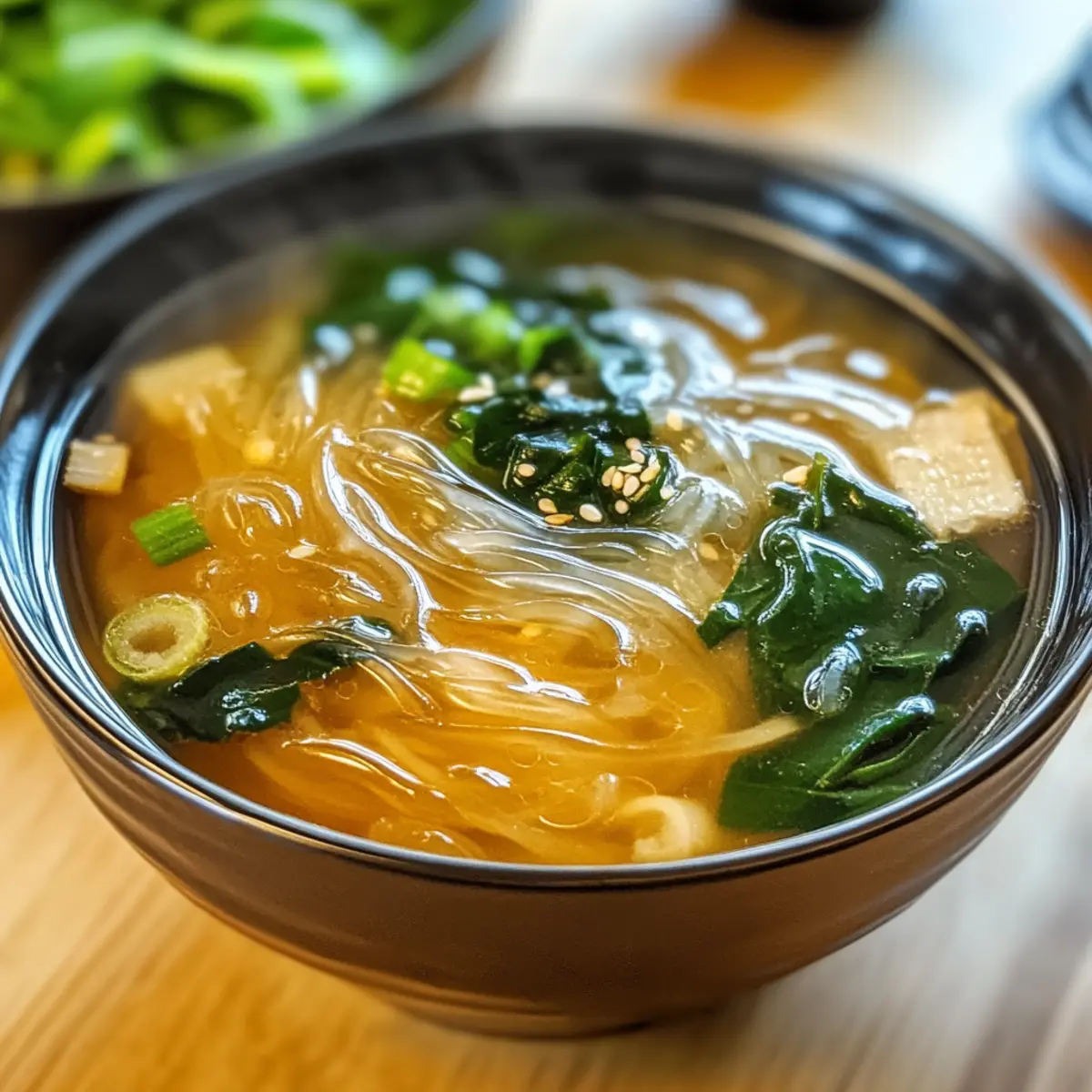
Warm Up with Japanese Glass Noodle Soup: Comfort in a Bowl
Ingredients
Equipment
Method
- Soak the glass noodles in hot water for 5–10 minutes until soft and pliable. Drain and set aside.
- In a medium pot, combine dashi, soy sauce, mirin, and sesame oil over medium heat. Bring to a simmer, about 5 minutes.
- Add chosen vegetables into the simmering broth and cook for another 3–5 minutes until tender.
- Stir in the drained glass noodles and let soak in the broth for another 2–3 minutes.
- Ladle the soup into warm bowls and garnish as desired. Enjoy!
Leave a Reply